Leslie, My Name Is Evil
2009
No user ratings available yet
Diversity score: 3.8 out of 10
1995
RDirector
Benjamin Ross
Runtime
99 minutes
Average Rating
No ratings yetSynopsis
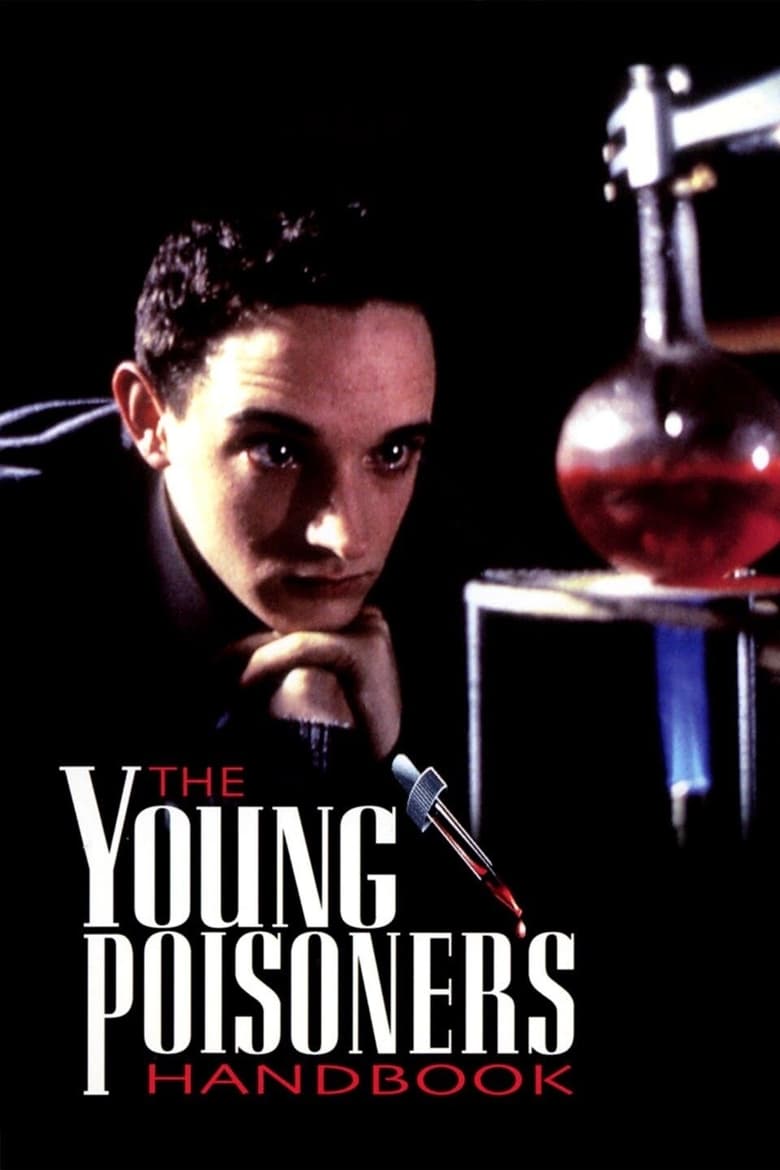
Graham Young is a teenage misfit living in suburban London in the 1960s. He hates his stepmother but loves chemistry, and the two impulses unite in a wicked plot to slowly poison her. After she dies, he's found guilty and sent to a psychiatric hospital, where an idealistic doctor thinks he can be cured.
Overall Score
Fair
Category Breakdown
LGBTQ+ Representation
The film lacks visible LGBTQ+ characters or non-cisnormative identities. The narrative remains strictly within a traditional, heteronormative domestic structure without queer subtext.
Gender Representation
Gender hierarchies are disrupted through domestic dysfunction. The film subverts the nurturing caregiver trope by depicting the mother as emotionally distant and the father as ineffective.
Racial & Ethnic Diversity
The cast is predominantly white and homogeneous, reflecting its 1960s suburban British setting. It does not utilize color-blind casting or introduce diverse ethnic perspectives.
Religious & Cultural Diversity
The film deconstructs Western institutional stability by framing the nuclear family as a stifling force. It uses dark satire to challenge mid-century social norms and parental authority.
Disability Representation
Mental health is depicted as a narrative consequence of the protagonist's actions. The psychiatric setting serves as a systemic response rather than a nuanced study of neurodivergence.
Strengths
Areas for Improvement
AI Analysis
The film functions as a dark satire that prioritizes the deconstruction of mid-century social archetypes over demographic variety. While it lacks racial and LGBTQ+ representation, it excels in cultural critique by challenging the sanctity of the traditional British middle-class family. Its strength lies in its subversion of domestic roles and its willingness to use moral relativism to dismantle social norms. However, the lack of diverse casting and the utilitarian treatment of mental health limit its overall inclusivity. Ultimately, the work is a study of institutional collapse rather than a diverse ensemble piece, making it culturally provocative but demographically narrow.
No reviews yet. Be the first to share your thoughts on this movie!
Use the rating form above to leave a star rating and optional review.