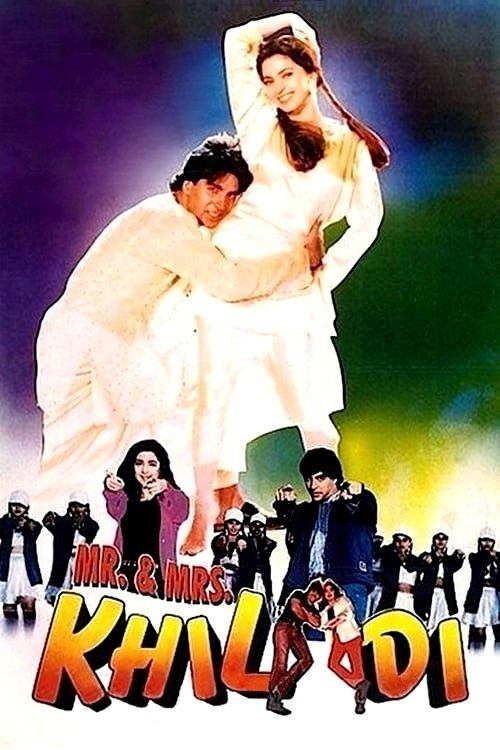
Mr. & Mrs. Khiladi
1997
No user ratings available yet
Representation score: 2.2 out of 10
Representation Score
Limited
1997
Not RatedDirector
David Dhawan
Runtime
142 minutes
Average Rating
No ratings yetNew Showbiz Analysis
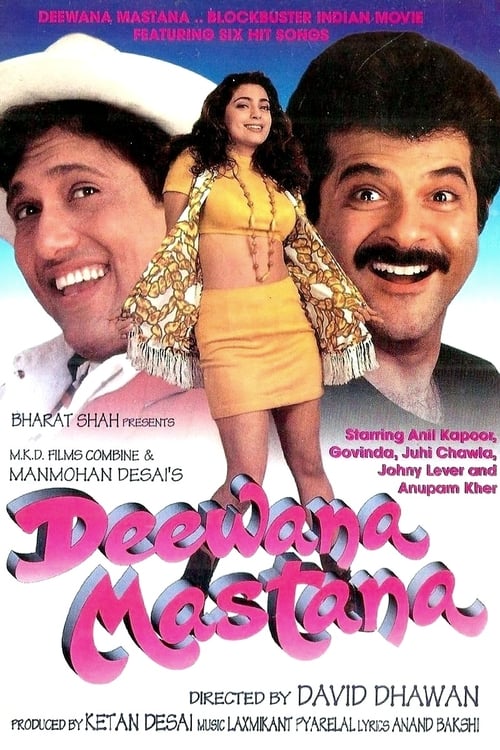
Deewana Mastana is a typical 90s masala comedy that prioritizes romantic and slapstick elements over diverse representation. The narrative revolves around a binary competition for affection, limiting character identities. While the film offers a professional role for its female lead, the power dynamics favor male characters. Mental health is used as a comedic device, suggesting a lack of nuanced portrayal of disability. Ultimately, the film reflects the cultural homogeneity of its time, serving as light-hearted escapism rather than a platform for complex social identities.
Category Breakdown
The film follows traditional heterosexual storylines, focusing on a romantic rivalry between two men for a single female lead without any queer themes.
Neha, a professional psychiatrist, plays a supporting role while the male characters drive the comedy and pursuit, reinforcing traditional masculine roles.
The cast is mainly Indian, emphasizing cultural uniformity. A protagonist's attempt to pass as an NRI is used for humor rather than a deeper exploration of identity.
The story emphasizes romantic escapism and traditional social values. It avoids engaging with systemic issues, focusing on typical clichés of class and social aspirations.
Mental health is introduced through a patient named Bunnu but is used primarily as a comedic plot device, risking the use of neurodivergence for entertainment.
Present on Screen
Limited or Absent
Official Synopsis
Neha, a psychiatrist, is pursued by both Raja and Bunnu. While Raja is a small-time crook pretending to be an NRI, Bunnu is her patient. The two try to outsmart each other to win Neha's heart.
1997
1994
1995
2004

1998
2007

1998
1981
No reviews yet. Be the first to share your thoughts on this movie!
Use the rating form above to leave a star rating and optional review.