Spiders
2000
No user ratings available yet
Representation score: 2.7 out of 10
Representation Score
Minimal
1995
TV-14Director
Rockne S. O'Bannon
Runtime
85 minutes
Average Rating
No ratings yetNew Showbiz Analysis
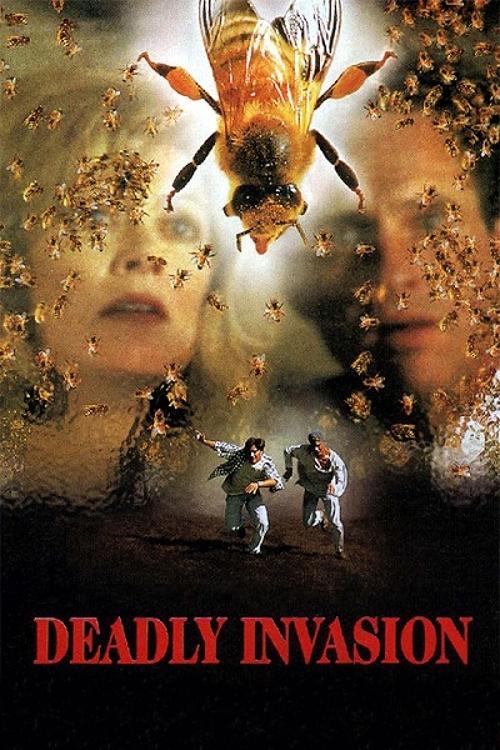
Deadly Invasion: The Killer Bee Nightmare is a conventional 1990s survival thriller that relies on established genre clichés. The film operates within a narrow social framework, prioritizing the external threat of the bees over any exploration of identity or social hierarchy. Representation is minimal across the board. The cast is largely homogeneous, and the narrative structure reinforces traditional gender roles by centering men's control over the story while relegating women to supporting positions. There is a complete absence of LGBTQ+ or disability-focused storylines. Ultimately, the film serves as a standard creature feature. It does not attempt to challenge systemic power dynamics or introduce perspectives that reflect multiple aspects of identity, sticking instead to a predictable, non-diverse demographic norm.
Category Breakdown
The film follows a traditional disaster-thriller format without featuring non-binary genders or same-sex relationships, sticking to conventional social norms.
Male characters, especially those embodying the scientist archetype, take center stage with narrative ability to act. Female characters mostly play supporting roles or positions needing protection.
The cast appears predominantly white, reflecting the typical casting of mid-90s creature features. There is no indication of non-white majority casts or diverse demographics.
The story presents a straightforward man-vs-nature cautionary tale without challenging traditional institutions like family or religion. It focuses on survival rather than cultural critique.
The film does not include characters with visible or invisible disabilities. The narrative centers on the biological threat rather than addressing neurodivergence or physical disability.
Present on Screen
Limited or Absent
Official Synopsis
When bees attack an isolated country house, a family must stick together to survive.
2000
1974
1973
1998

2003
1989
2008

2011
No reviews yet. Be the first to share your thoughts on this movie!
Use the rating form above to leave a star rating and optional review.