
My Silent Partner
2006
No user ratings available yet
Representation score: 4.2 out of 10
Representation Score
Minimal
1992
RDirector
John Flynn
Runtime
96 minutes
Average Rating
No ratings yetNew Showbiz Analysis
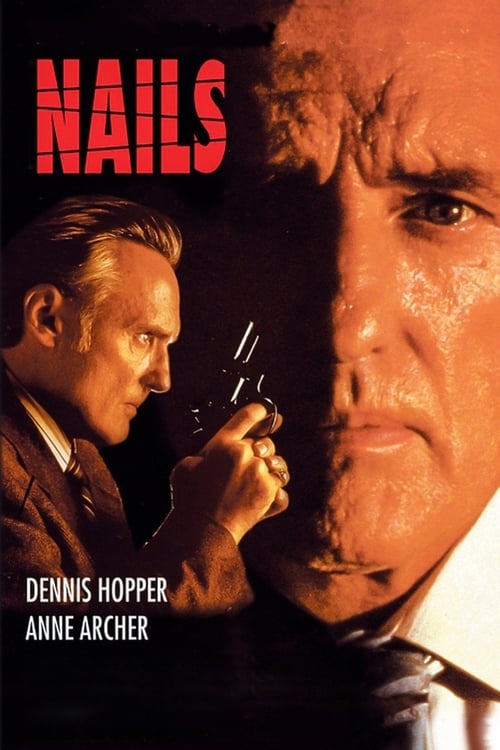
Nails is a conventional crime thriller that relies heavily on established crime clichés. The narrative centers on a high-stakes conflict between a detective and a heroin ring, emphasizing action and domestic danger over social complexity. The film follows traditional storytelling structures, focusing on a central male protagonist. This approach limits opportunities for exploring diverse identities and challenging social hierarchies. Overall, the work functions as a standard procedural piece. It lacks the character diversity and thematic depth needed to challenge mainstream cinematic frameworks.
Category Breakdown
The film does not include any characters with non-straight sexual orientations or gender identities. The main conflict revolves around a traditional marriage.
Female characters are portrayed as passive participants in the story, primarily serving as hostages. The male detective drives the plot forward, while the female character acts mainly as a plot device.
The film is set in Los Angeles but does not provide specific details about the racial makeup of the cast. The ethnic dynamics within the criminal organization are not explored.
The story follows typical Western crime procedural formats, reinforcing conventional ideas about law enforcement and justice without challenging systemic issues.
The film does not depict any characters dealing with physical, neurodivergent, or mental health conditions. There is no representation of disabilities.
Present on Screen
Limited or Absent
Official Synopsis
The wife of a wild Los Angeles police detective becomes a hostage of the heroin ring he and his partner have exposed.
2006

1991

2000

2011
1993
1985
1991
1990
No reviews yet. Be the first to share your thoughts on this movie!
Use the rating form above to leave a star rating and optional review.