
The Beloved
2026
No user ratings available yet
Representation score: 1.9 out of 10
Representation Score
Limited
2026
Director
Pablo Trapero
Runtime
119 minutes
Average Rating
No ratings yetNew Showbiz Analysis
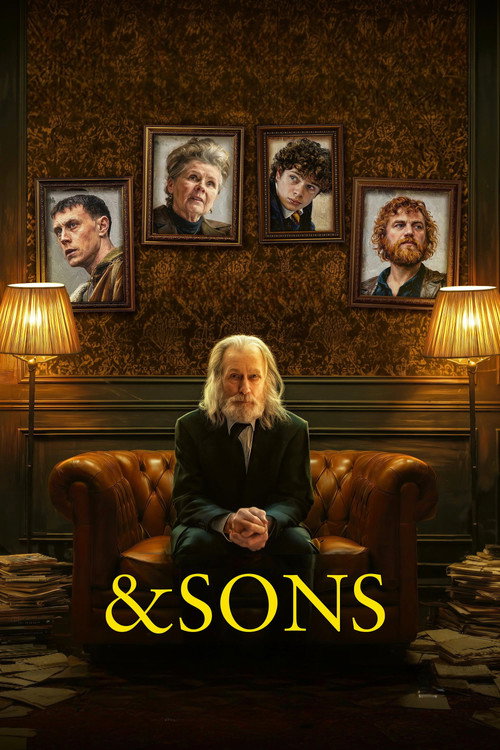
The film opens on a stark, grey winter landscape, where the physical decay of a rural property establishes a mood of isolation before the characters arrive. This is a story about inheritance, land, and the friction between generations, visually grounded in naturalistic decay rather than glamour. The sold meaning is a critique of patriarchal legacy: the father, played by Bill Nighy, is the central figure whose history defines the present, yet he never fully pays for his past decisions. The camera lingers on him and his son Noah Jupe with tragic dignity, treating their struggle as a matter of endurance. The film’s argument pulls against its own internal logic. While the men are portrayed as incompetent in their attempts to manage the land and their relationships, the ending offers a weary acceptance of the status quo rather than a triumphant resolution. Imelda Staunton is the moral center, the one who sees the truth, but she has no power to change it. The "joke" is the futility of the men’s posturing; the repeated failure of the sons to assert themselves against the weight of the father’s legacy is the running gag. In the context of 2020s family dramas, this film situates itself as a class-based critique rather than a progressive inversion. The biological family is the source of conflict, not a chosen ideal. The last image is a quiet, unresolved domestic moment, rewarding endurance over change. The camera loves the static, rooted figures of the family, even as it shows them becoming increasingly ineffective. The film argues that the land is being destroyed by the men who claim to own it, but it does not offer a clear path to liberation.
Category Breakdown
Absent. The narrative centers on heterosexual family dynamics and inheritance without depicting same-sex intimacy or non-heteronormative identities.
Imelda Staunton serves as the moral center, perceiving the truth while the men remain trapped in posturing. Male incompetence drives the plot, yet the ending favors weary endurance over structural change.
The cast is predominantly white, reflecting the rural British setting. Non-white characters are absent from the primary conflict over land and legacy.
Patriarchal inheritance is framed as a decaying burden rather than a virtue. The film critiques the weight of legacy, showing the father’s authority as a source of stagnation.
Absent. No characters are depicted with physical, sensory, or cognitive impairments; the focus remains on aging and economic decline.
Present on Screen
Limited or Absent
Official Synopsis
A world-renowned but reclusive novelist, believing he is about to die, summons his estranged sons to his home. But instead of seeking forgiveness for their shattered family, he tells them a wild and unbelievable secret that could rewrite their past.
2026

2018

2026

2023

2016

1997
2009

2026
No reviews yet. Be the first to share your thoughts on this movie!
Use the rating form above to leave a star rating and optional review.