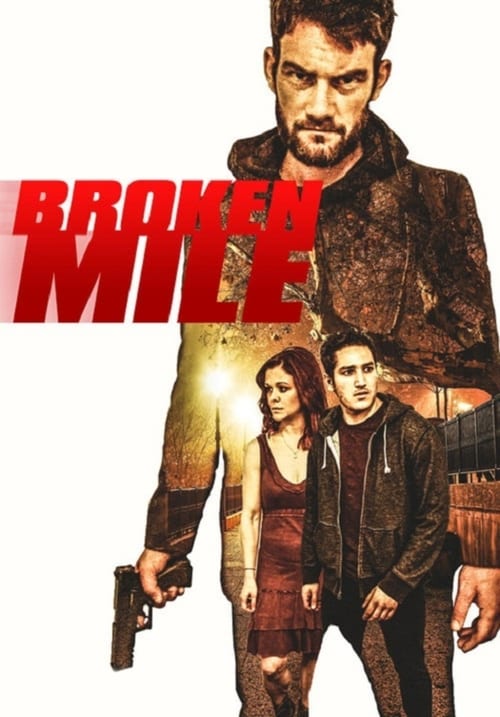
Broken Mile
2017
No user ratings available yet
Representation score: 2.9 out of 10

Representation Score
Limited
2023
Director
Rory Karpf
Runtime
84 minutes
Average Rating
No ratings yetNew Showbiz Analysis
Grace Point opens with the sterile, quiet tension of a suburban street, a visual promise of safety that the film immediately dismantles. The sold meaning is a critique of the American suburban ideal: the home is not a sanctuary but a pressure cooker where traditional male authority has rotted. Winston Hayes, played by Andrew McCarthy, is the film’s central joke; his attempts to assert patriarchal control are met with failure and ridicule, marking him as obsolete rather than heroic. The camera favors Sophie, who remains the moral center, while the men—both father and son—are reactive, anxious, and ultimately hollow. The film’s argument is that the "safe" domestic sphere is a prison, and the threat is not just the external antagonist, Cutter, but the internal decay of the family structure. However, the film’s internal logic pulls apart: while it mocks traditional masculinity, it offers no alternative. Brandon’s survival is not a triumph of competence but a retreat into isolation. The ending, with Brandon alone in his empty driveway, rewards isolation over community, suggesting that the only escape from the failing family unit is to abandon it entirely. This is a bleak, secular verdict on the Western family, where the only way out is to leave, and the only victory is to survive.
Category Breakdown
No LGBTQ+ characters, relationships, or identities appear in the cast or dialogue. The narrative focuses exclusively on heterosexual family dynamics and male-male conflict.
Sophie serves as the calm moral anchor, contrasting with the reactive, anxious male leads. Winston Hayes functions as the incompetent patriarch, his authority undermined by his inability to handle the crisis.
The cast is predominantly white, reflecting the homogeneous "small town" setting. Aljamain Sterling appears as Robby, but non-white characters lack narrative depth or power, serving as background elements.
The suburban family unit is depicted as a fragile, decaying structure rather than a stable ideal. Traditional male authority is treated as obsolete, while the community’s isolation is framed as a source of danger.
No characters with physical, mental, or neurodevelopmental disabilities are depicted. Drug withdrawal is treated as a temporary plot device rather than a lived experience.
Present on Screen
Limited or Absent
Official Synopsis
A young man on his way to a remote drug rehab finds himself in a strange town being chased by the locals, as well as his own personal demons.
2017
2019

2017
2019

2015
2023

2020

2024
No reviews yet. Be the first to share your thoughts on this movie!
Use the rating form above to leave a star rating and optional review.