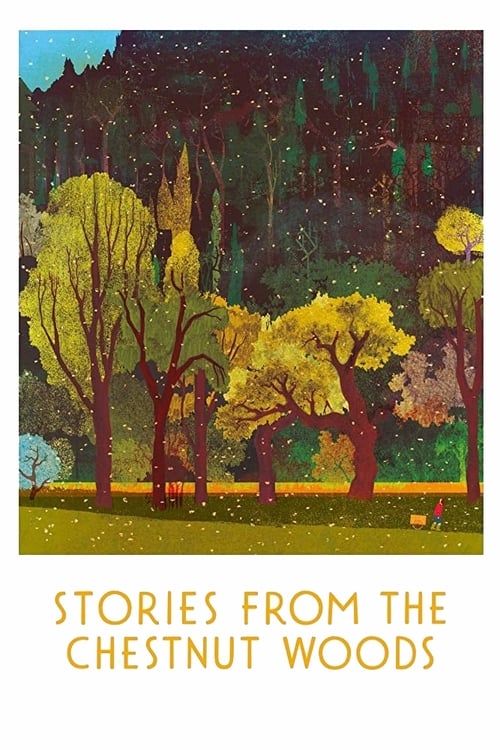
Stories from the Chestnut Woods
2019
No user ratings available yet
Representation score: 5.8 out of 10

Representation Score
Fair
2019
ApprovedDirector
Giulio De Paolis
Runtime
7 minutes
Average Rating
No ratings yetNew Showbiz Analysis
STOP! (2019) offers a nuanced look at how geopolitical shifts impact personal identity. By centering on a woman's memories of the 1947 Gorizia border dispute, the film moves beyond standard historical drama into a more subjective, surreal territory. The film succeeds in elevating the role of women and exploring the complexities of multi-ethnic European identities. It avoids didacticism by focusing on the human cost of shifting national borders. However, the film lacks explicit representation of LGBTQ+ identities and disability. While the romantic elements are central, they remain undefined in terms of queer visibility.
Category Breakdown
The film focuses on a romantic storyline set against the backdrop of the 1947 border tensions. However, there are no clear depictions of LGBTQ+ identities or non-cisgender relationships within the narrative.
A female protagonist drives the emotional journey, navigating personal memories and historical upheaval. This perspective challenges traditional male-centric historical epics by emphasizing the role of women in shaping the narrative.
The film sets its story in Gorizia, where the Italy-Yugoslavia border dispute creates complex ethnic dynamics. The story explores the tension between multi-national identities and cultural displacement.
The narrative employs surrealism to examine the fragmentation of communities caused by shifting borders. It prioritizes individual experiences over state-sanctioned historical or nationalist narratives.
The current narrative description does not mention any characters with visible or invisible disabilities.
Present on Screen
Limited or Absent
Official Synopsis
In her autumn years, a woman reminisces about the fateful year of 1947, when the newly drawn border between Italy and Yugoslavia cut through the region of Gorizia; this was also the year when she found love. Hers is a peculiar tale with a tinge of the surreal, as well as a family drama shaped by real events.
2019
2024
2024
2020
2021
1997

2020
No reviews yet. Be the first to share your thoughts on this movie!
Use the rating form above to leave a star rating and optional review.