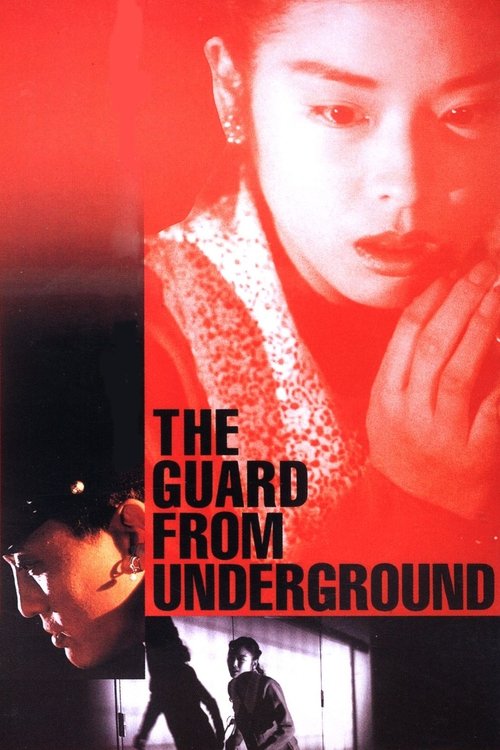
The Guard from Underground
1992
No user ratings available yet
Diversity score: 3.2 out of 10

1988
NRDirector
Mark G. Gilhuis
Runtime
96 minutes
Average Rating
No ratings yetSynopsis
Harry is unable to hold a job due to his mental illness and lives in an abandoned Hollywood hotel haunted by friendly ghosts of the long dead staff. The lines of his mental illness and reality become extremely blurred as some of his strangest events are indeed witnessed by others. As Harry becomes more frustrated by not being able to distinguish fact from delusion he turns to violence.
Overall Score
Fair
Category Breakdown
LGBTQ+ Representation
The film lacks explicit mention of LGBTQ+ characters or non-heteronormative identities. While the themes of social alienation could allow for queer coding, no specific representation is present.
Gender Representation
The story centers almost entirely on Harry, a male protagonist. There is a notable absence of female characters or details regarding gender hierarchies in the narrative.
Racial & Ethnic Diversity
The Hollywood hotel setting offers little insight into the racial or ethnic makeup of the cast. There is no evidence of non-white agency or diverse casting.
Religious & Cultural Diversity
The film explores mental instability and systemic economic struggles through Harry's unemployment. However, it lacks clear anti-Western or secularist messaging, following a traditional thriller framework.
Disability Representation
Mental illness serves as the central focus and plot catalyst. The portrayal of neurodivergence is complex, though it risks using disability as a device for horror.
Strengths
Areas for Improvement
AI Analysis
Bloody Wednesday is a character-driven psychological thriller that prioritizes the internal struggle of a single male protagonist. The narrative's focus on Harry's mental health provides a rare, if potentially volatile, look at neurodivergence within the horror genre. However, the film lacks breadth in its social representation. The cast composition remains opaque, and the story's heavy reliance on a singular male experience limits its intersectional depth. Ultimately, the film functions as a narrow study of individual delusion rather than a broad exploration of diverse identities or systemic social critiques.
No reviews yet. Be the first to share your thoughts on this movie!
Use the rating form above to leave a star rating and optional review.