Lady for a Night
1942
No user ratings available yet
Representation score: 1.8 out of 10
Representation Score
Minimal
1944
ApprovedDirector
Don Brodie
Runtime
69 minutes
Average Rating
No ratings yetNew Showbiz Analysis
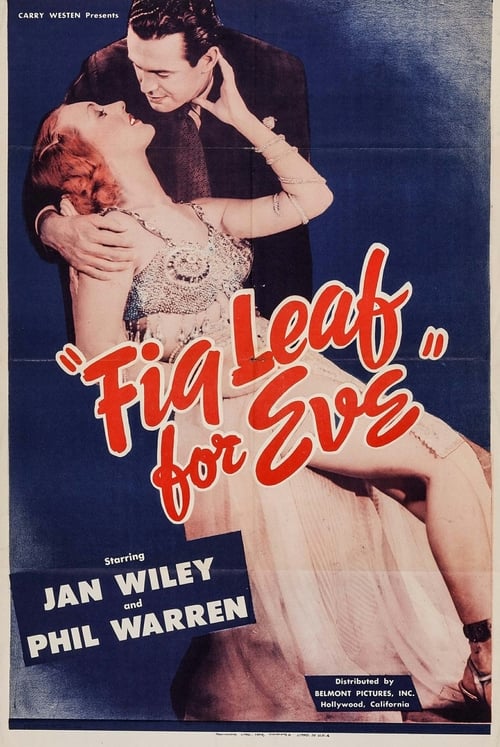
A Fig Leaf for Eve is a conventional mid-century melodrama that reinforces established social and economic hierarchies. The story centers on a nightclub dancer whose identity is defined by her potential inheritance. The film lacks meaningful diversity, relying on traditional clichés of class mobility and lineage. It operates as a standard studio-era production that prioritizes existing social structures over challenging them. Ultimately, the narrative suggests that individual fortune, rather than professional or intellectual achievements, serves as the primary means for social stability and upward movement.
Category Breakdown
The film does not include any queer narratives or non-straight identities. It follows the traditional romantic conventions typical of 1944 cinema.
The main female character's influence is tied to her role as a dancer, but her primary role in the story revolves around her status as an heiress. This indicates that social advancement is linked to her inherited wealth.
There is no indication of a diverse cast. The film likely reflects the era's preference for predominantly white casts.
The story upholds traditional Western capitalist ideals through a rags-to-riches theme. It emphasizes the importance of personal wealth and social mobility without questioning societal hierarchies.
There is no information about characters with physical or neurodivergent disabilities.
Present on Screen
Limited or Absent
Official Synopsis
A nightclub dancer, raised in an orphanage, learns she might be the long-lost heiress to a hair tonic fortune.
1942

1933

1940
1937
1942
1949
1938
1949
No reviews yet. Be the first to share your thoughts on this movie!
Use the rating form above to leave a star rating and optional review.