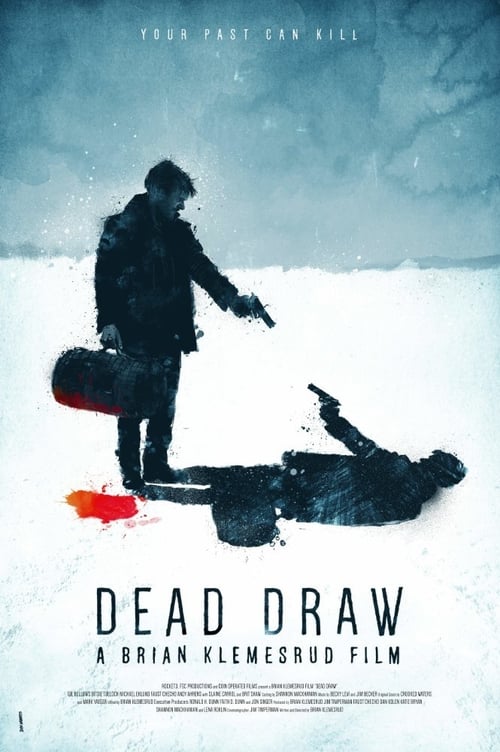
Dead Draw
2016
No user ratings available yet
Representation score: 0.6 out of 10

Representation Score
Minimal
2016
TV-14Director
Jamie Marshall
Runtime
94 minutes
Average Rating
No ratings yetNew Showbiz Analysis
Dirty Lies follows a traditional thriller framework, emphasizing a high-stakes plot over sociological depth. The narrative relies on established genre clichés, such as the pursuit of a valuable MacGuffin and themes of individual greed. The film lacks the symbols of progressive representation. It focuses on a localized conflict of betrayal rather than challenging social hierarchies or exploring the way different parts of someone's identity overlap. Ultimately, the work adheres to standard storytelling norms. It functions as a conventional crime piece without demonstrating an intentionality toward diversifying the cinematic landscape.
Category Breakdown
The film does not include any representation of LGBTQ+ identities. There are no scenes depicting same-sex relationships or critiques of the assumption that everyone is straight or cisgender.
The story revolves around a male protagonist and a pair of criminals. The lack of visible women's ability to drive the story indicates a traditional distribution of gender roles.
There is no evidence of a predominantly non-white cast. The narrative focuses on class-based tension without addressing ethnic or racial diversity.
The plot operates within a conventional capitalist framework focused on material wealth. It lacks deconstruction of Western institutions or diverse cultural perspectives.
No characters with visible or invisible disabilities are identified. The synopsis does not indicate any representation of individuals with disabilities.
Present on Screen
Limited or Absent
Official Synopsis
An under-appreciated intern entrusted with a million dollar necklace races to find out which of his money hungry room-mates betrayed him as he battles a desperate criminal duo bent on stealing.
2016

2024
2016
2017
2018
2008
2016
2017
No reviews yet. Be the first to share your thoughts on this movie!
Use the rating form above to leave a star rating and optional review.