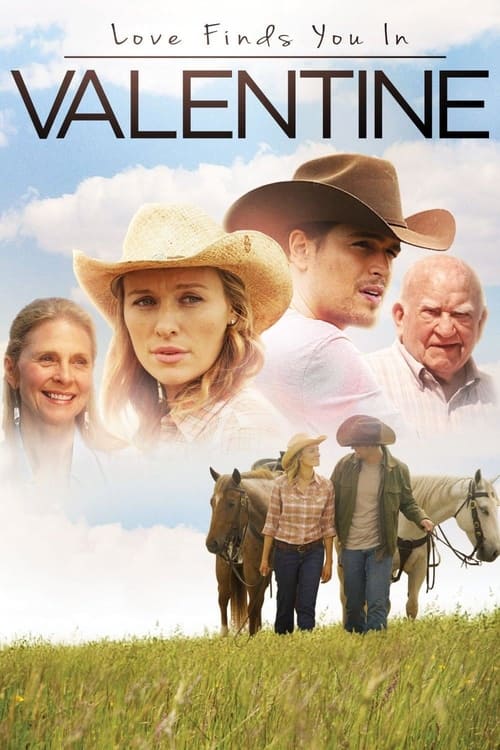
Love Finds You in Valentine
2016
No user ratings available yet
Representation score: 2.8 out of 10
Representation Score
Fair
2016
TV-GDirector
David Winning
Runtime
84 minutes
Average Rating
No ratings yetNew Showbiz Analysis
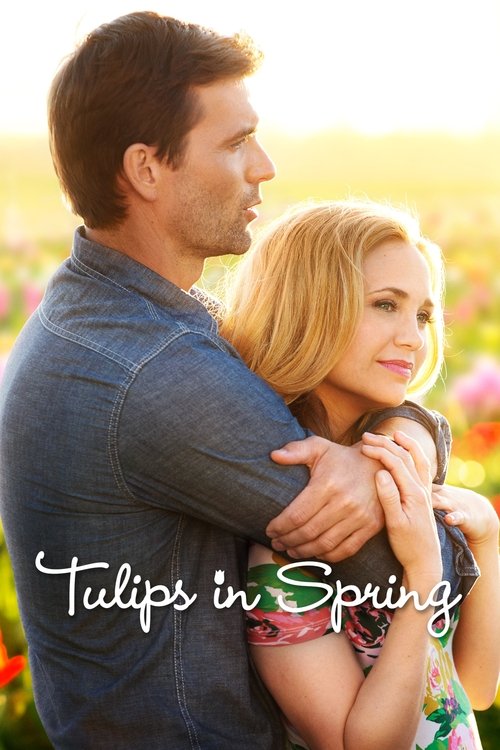
Tulips in Spring is a traditional genre piece that prioritizes established romantic and familial clichés. While it avoids many of the multi-layered themes found in modern cinema, it successfully gives its female lead a significant role in driving the story. Rose is not merely a bystander but the primary problem-solver in the face of financial ruin. However, the film remains within a very narrow demographic framework. The focus on a localized, rural setting and a conventional heterosexual romance results in a lack of racial and LGBTQ+ diversity. The narrative leans heavily on familiar, homogeneous social structures. Ultimately, the film functions as a comfortable, character-driven drama that values stability and tradition over the disruption of social hierarchies.
Category Breakdown
The story focuses on a heterosexual relationship between Rose and Tom Novak. There is no indication of queer subtext or non-cisgender identities among the main characters.
Rose is the central driver of the narrative, showcasing practical skills to save her family farm. This portrayal gives her a significant role in the story, countering the male-dominated agricultural setting.
The setting appears to be a homogeneous, rural environment typical of the folksy romance genre. The narrative does not include diverse ethnic representation or multi-layered casting.
The film explores the tension between urban Los Angeles and traditional agrarian life. It emphasizes community and family heritage without overtly criticizing Western social institutions.
The plot does not feature any visible or invisible disabilities integrated into the primary character arcs or the central conflict.
Present on Screen
Limited or Absent
Official Synopsis
At Payden Farms, Rose meets Tom Novak — a handsome “flower broker” who acts as a liaison between the farm and local distributors — and discovers that the farm is faltering financially and that her parents are considering selling it to a ruthless competitor. As a last-ditch effort, Tom arranges for Frank to enter his most special tulip in an upcoming flower contest with the hopes of achieving national recognition and generating business. But when Frank’s flowers are mysteriously sabotaged, Rose struggles to find a way to get them to bloom in time for the competition. Along the way, she finds herself appreciating her humble beginnings, reconciling with Frank, and falling into a blossoming romance with Tom. With time running out, Rose must rediscover her green thumb to save her family’s farm, and decide whether she’ll find true happiness — and true love — by staying in Los Angeles or returning to her folksy hometown.
2016

2016
2016
2017

2017
2015

2020

2018
No reviews yet. Be the first to share your thoughts on this movie!
Use the rating form above to leave a star rating and optional review.