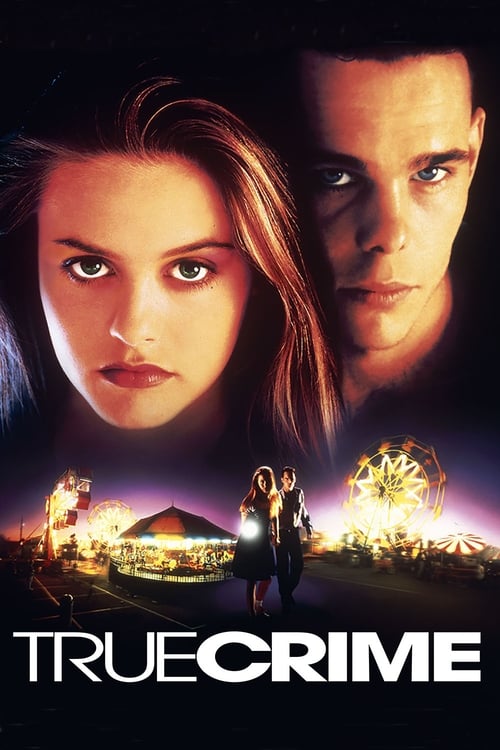
True Crime
1995
No user ratings available yet
Representation score: 3.5 out of 10
Representation Score
Limited
2009
RDirector
Penelope Buitenhuis
Runtime
82 minutes
Average Rating
No ratings yetNew Showbiz Analysis
The film functions as a standard genre entry within the independent thriller circuit. It succeeds in providing a female lead who play a significant role in driving the story, moving her away from the 'damsel in distress' archetype common in crime mysteries. However, the narrative appears heavily reliant on traditional interpersonal dynamics and Western storytelling clichés. The focus remains on individual identity and personal stakes rather than broader sociopolitical or multi-layered themes. Because the character backgrounds and romantic frameworks appear conventional, the film lacks significant disruption of systemic social structures or diverse identity representation.
Category Breakdown
The story focuses on a romantic relationship between the main character and her boyfriend. There is no indication of LGBTQ+ identities or queer undertones in the plot.
Ellie Carter plays a significant role as an active investigator rather than a passive victim. Her involvement challenges typical thriller clichés, although her relationship with a boyfriend adheres to traditional romantic structures.
The film does not provide specific information about the racial or ethnic makeup of the cast. It is unclear if the central mystery explores racial identity or operates within a homogeneous framework.
The story follows a Western crime procedural format centered on personal history. It emphasizes individual stakes over critiques of systemic institutions like religion or the state.
There is no evidence of characters with physical, sensory, or neurodivergent disabilities. The narrative does not address disability representation.
Present on Screen
Limited or Absent
Official Synopsis
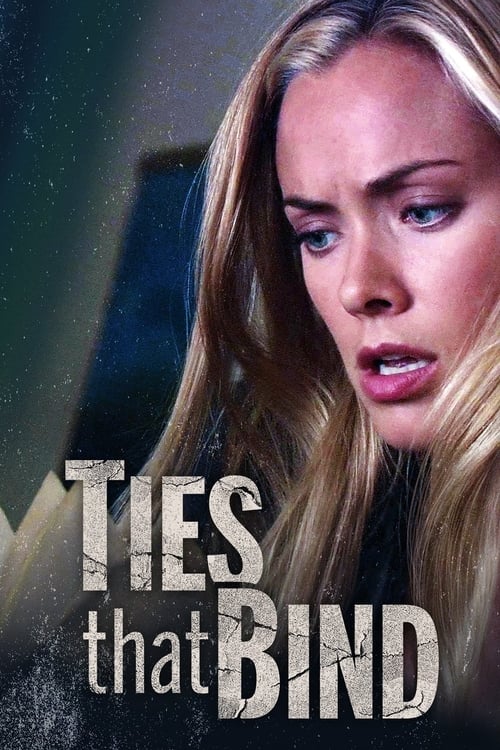
After celebrating her graduation, Ellie Carter jokingly calls a missing-child hotline found on a milk carton, only to uncover a terrifying truth about her identity that puts her and everyone she loves in the crosshairs of a deadly conspiracy.
1995
2007
2019
2009
2010
2016
2016

2011
No reviews yet. Be the first to share your thoughts on this movie!
Use the rating form above to leave a star rating and optional review.