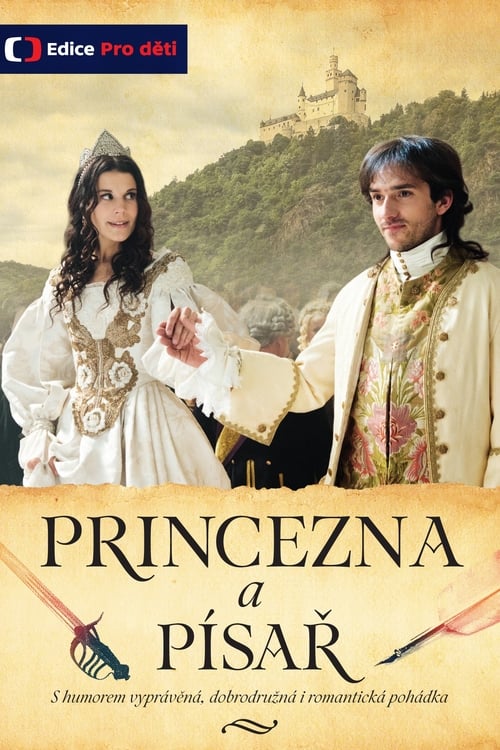
Princezna a písař
2014
No user ratings available yet
Representation score: 3.3 out of 10
Representation Score
Limited
2017
Director
Karel Janák
Average Rating
No ratings yetNew Showbiz Analysis
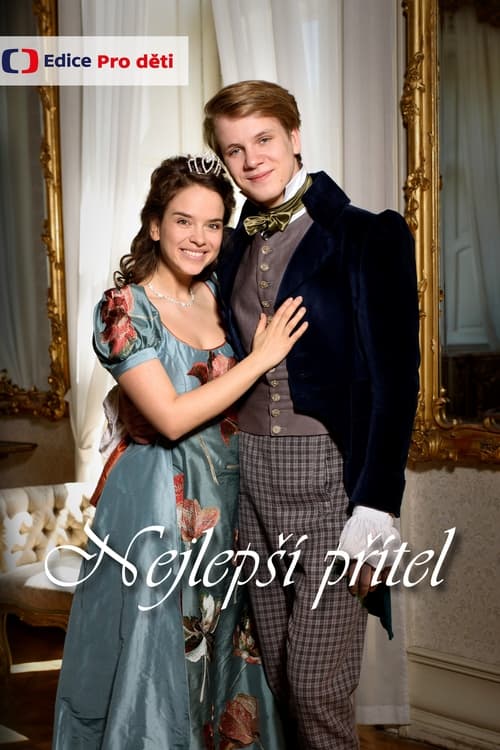
Nejlepší přítel is a conventional family comedy that leans heavily on established archetypes and traditional social hierarchies. The narrative structure prioritizes a classic moral arc and heterosexual romance, offering little in the way of social subversion. The film operates within a predictable framework of nobility and peasantry. While it uses supernatural elements for comedic effect, it does not challenge the cultural or religious norms inherent to its period setting. Ultimately, the production serves a broad audience by adhering to familiar storytelling clichés rather than exploring diverse identities or non-traditional perspectives.
Category Breakdown
The film follows a strictly heterosexual romantic storyline. The plot revolves around traditional pairings between the protagonist, a countess, and a devil with a cook.
Male characters drive the central plot and supernatural conflict. Female characters are limited to traditional roles as an aristocratic lady and a domestic worker.
The period setting features an ethnically homogeneous cast. There is no indication of diverse casting or race-bending within this historical context.
The story relies on traditional Christian iconography and folklore. It examines social classes through a standard moral lens without challenging institutions.
There is no information available regarding the representation of physical or neurodivergent disabilities in this production.
Present on Screen
Limited or Absent
Official Synopsis
As punishment, the devil Matěj must grant the wishes of a poor young man named Ondra until he says he is completely happy. But can such happiness even be achieved? Hell has its doubts about this, and it seems that they are justified, as the other devils are well entertained by Matěj's helplessness. After fulfilling ordinary wishes, when Ondra finally warms up, eats well, and gets dressed, more serious complications arise. Ondra falls in love with Rézinka, a countess from the castle, and to make matters worse, the devil Matěj takes a liking to the cook Marjánka.
2014
2018
2009
1957
2013
2012
1993
2005
No reviews yet. Be the first to share your thoughts on this movie!
Use the rating form above to leave a star rating and optional review.