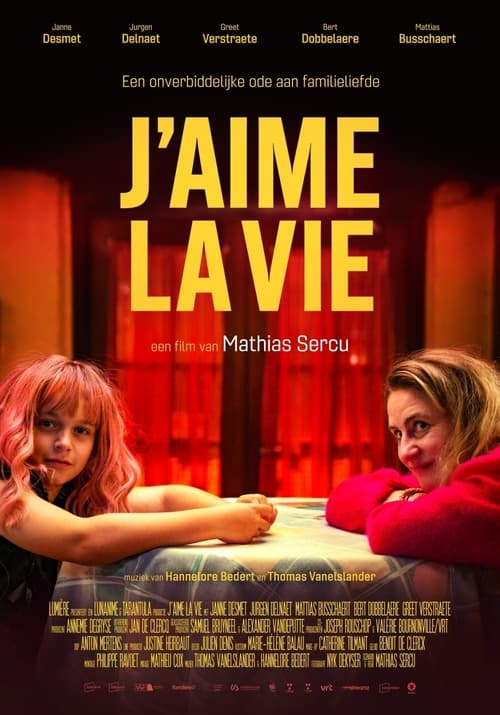
J’aime la vie
2023
No user ratings available yet
Representation score: 7.2 out of 10
Representation Score
Good
2002
Director
Patrick Timsit
Runtime
100 minutes
Average Rating
No ratings yetNew Showbiz Analysis
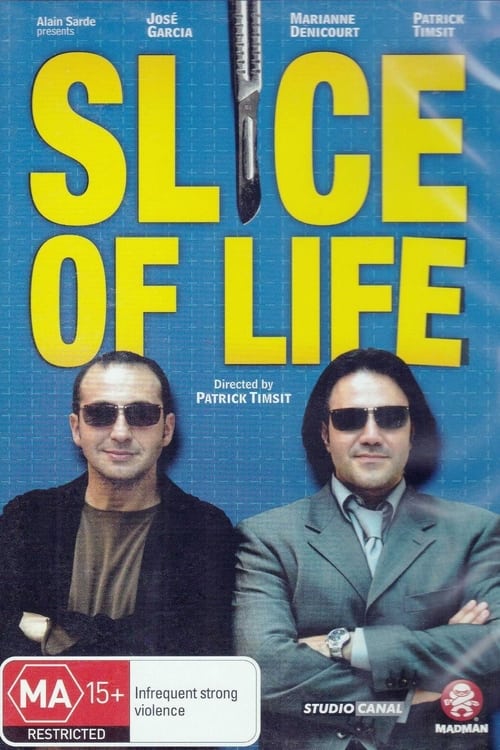
Slice of Life functions primarily as an intimate character study focused on interpersonal conflicts. It succeeds in challenging traditional gender roles by making a female character the central driver of the plot. However, the film lacks diverse representation, focusing on a narrow social unit. The narrative uses a medical crisis to disrupt social hierarchies, yet this condition often serves as a functional plot device. While it critiques the stability of the nuclear family, the film remains rooted in a traditional, homogeneous social framework. Ultimately, the film prioritizes individual psychological reconciliation over broader social critique, resulting in a limited demographic scope.
Category Breakdown
The film does not include visible LGBTQ+ characters or explore non-straight relationships. The main focus is on the romantic relationship between Pierre and Marie.
Marie plays a key role in bringing people together, shifting the focus away from male characters. This challenges traditional male stereotypes by emphasizing female emotional intelligence.
The story focuses on a homogeneous French community. There is no indication of a multi-ethnic or non-white majority cast.
The narrative questions the idea of a stable, unified family through the brothers' estrangement. It explores themes of personal morality and the fragility of traditional bonds.
A terminal liver condition drives the plot and forces character development. Pierre is given ability to act in his struggle for survival rather than being shown as a passive victim.
Present on Screen
Limited or Absent
Official Synopsis
Pierre has four months left to live if he does not find a new liver. His only hope is a transplant from his brother, Paul. But Pierre hates Paul and has refused to see him for the past ten years. They are different in every aspect : their way of life, their tastes. Nevertheless, Marie, Pierre's fiancee, is determined to reconcile the two men. A love-hate relationship develops, disrupting the trio, recomposing the couples and even going so far as to change their personalities. After a few too many drinks and a bit of fooling around, the settling of scores between the two brothers will come to a surprising end.
2023

2017
2017
1996
2004

2000
2013

2014
No reviews yet. Be the first to share your thoughts on this movie!
Use the rating form above to leave a star rating and optional review.