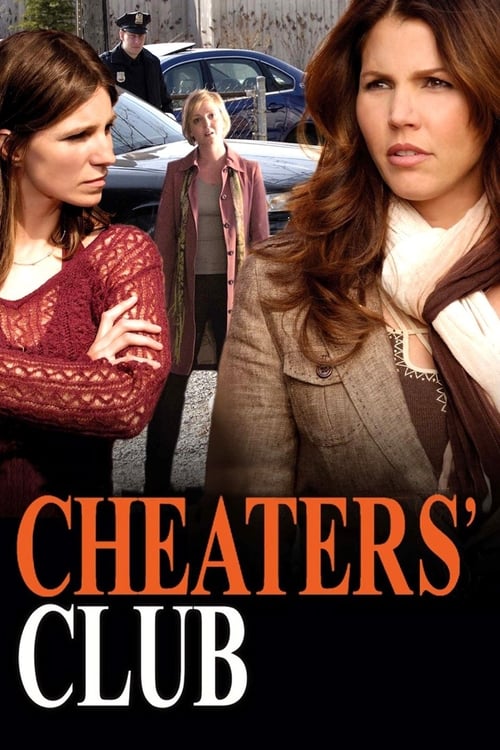
Cheaters' Club
2006
No user ratings available yet
Representation score: 2.5 out of 10
Representation Score
Fair
1998
PG-13Director
Paul Shapiro
Runtime
90 minutes
Average Rating
No ratings yetNew Showbiz Analysis
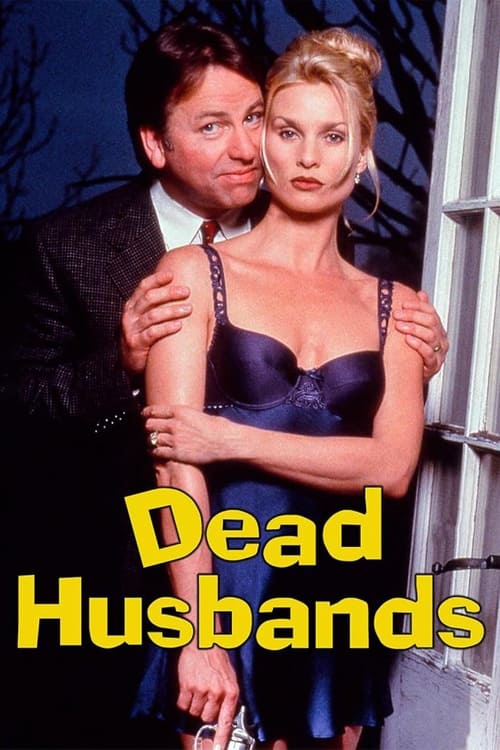
Dead Husbands is a traditionally cast film that finds its strength in narrative subversion. While it lacks racial and LGBTQ+ diversity, it effectively challenges the cliché of the submissive domestic partner. The story centers on women's ability to drive the story, as women organize to address their frustrations with social climbing and marital constraints. This cooperation provides a progressive counterpoint to the film's otherwise homogeneous setting.
Category Breakdown
The film does not explicitly depict LGBTQ+ identities. However, it critiques the traditional marriage structure.
Women play a key role in driving the plot, shifting from passive to active participants. They challenge traditional hierarchies by forming a collective.
The cast appears homogenous, reflecting the era's norms. There is no evidence of non-white or non-Anglo-Saxon representation.
The film critiques Western institutions such as the nuclear family and social hierarchies. It portrays the home as a site of conspiracy rather than social order.
No visible or invisible disabilities are shown impacting the characters or the story.
Present on Screen
Limited or Absent
Official Synopsis
Dr. Carter Elson is a man who finds a list of men's names among his wife Alex's possessions. When Carter discovers his own name at the bottom of the list, and that some of the other names are those of dead men, he confides in his friend/agent Betty. Time is ticking as they try and figure out what the list means before his name reaches the top. Alex, a small town girl who marries the up-and-coming doctor as an entry to the social-climbing world she always coveted, is frustrated when obstacles are placed in her path. She meets two other "unhappy wives," played by Sonja Smits and Donna Pescow, and discovers a way out that may be the answer to all of her prayers. The women conspire to 'shorten the list!'
2006

2002
1978

1993

1990
1985
1985
2023
No reviews yet. Be the first to share your thoughts on this movie!
Use the rating form above to leave a star rating and optional review.