
Dino King: Journey to Fire Mountain
2019
No user ratings available yet
Representation score: 3.8 out of 10
Representation Score
Minimal
2012
Not RatedDirector
Han Sang-ho
Runtime
88 minutes
Average Rating
No ratings yetNew Showbiz Analysis
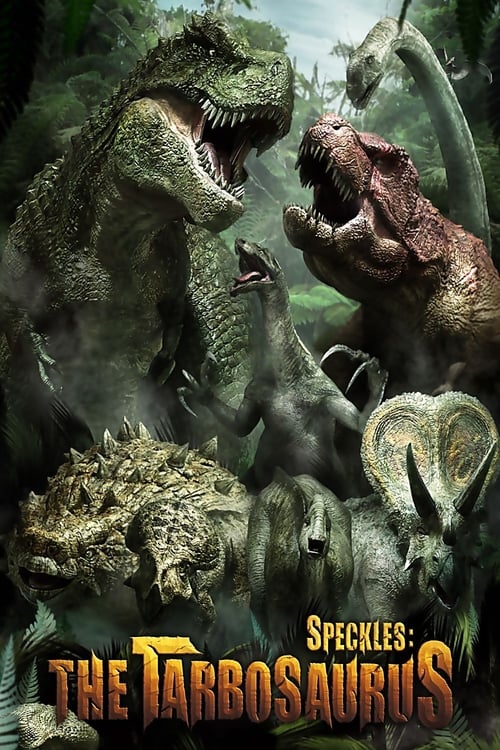
Speckles: The Tarbosaurus is a prehistoric survival narrative that operates outside traditional sociological frameworks. Since the characters are non-human dinosaurs, the film avoids contemporary identity politics in favor of primal, instinctual character arcs. The story centers on a linear hero's journey focused on biological realism and survivalist clichés. It prioritizes the cyclical nature of life and death over the deconstruction of social norms or the exploration of the way different parts of someone's identity overlap. Ultimately, the film reinforces naturalistic hierarchies. It functions as a standard adventure piece that lacks the human elements necessary to engage with systemic power dynamics or diverse social identities.
Category Breakdown
The film does not depict any LGBTQ+ identities or narratives. Character relationships focus solely on biological reproduction and family survival.
Gender roles follow traditional biological archetypes, emphasizing strength and nurturing. The film adheres to conventional gender expectations without challenging them.
Set in a prehistoric era with dinosaurs, the film lacks human racial or ethnic identifiers. The Korean Peninsula setting does not translate to human-centric representation.
The story functions as a naturalistic survival drama without human institutions. Morality is driven by predator-prey dynamics rather than ideological critiques.
There is no representation of neurodivergence or physical disabilities. Physical struggles serve the plot's momentum rather than exploring lived disability experiences.
Present on Screen
Limited or Absent
Official Synopsis
The story is set 70 million years ago, when dinosaurs ruled the Korean Peninsula the same way they ruled the rest of the earth. Spotty is a curious and playful Tarbosaurus child, and along with his mother and siblings, he lives happily in the forest. One day the cunning One-eye, an older Tyrannosaur looking for a new home, attacks Spotty’s herd and separates Spotty from his family. Alone, he befriends another lost girl Tarbosaur who becomes his friend and constant companion for two decades and the mother of his own children. But Spotty’s troubles with One-eye are not over, and revenge, death, fear, and sadness are all in Spotty’s future―as is happiness and hope.
2019
2019
2012
2022
2000
2009

2020
2020
No reviews yet. Be the first to share your thoughts on this movie!
Use the rating form above to leave a star rating and optional review.