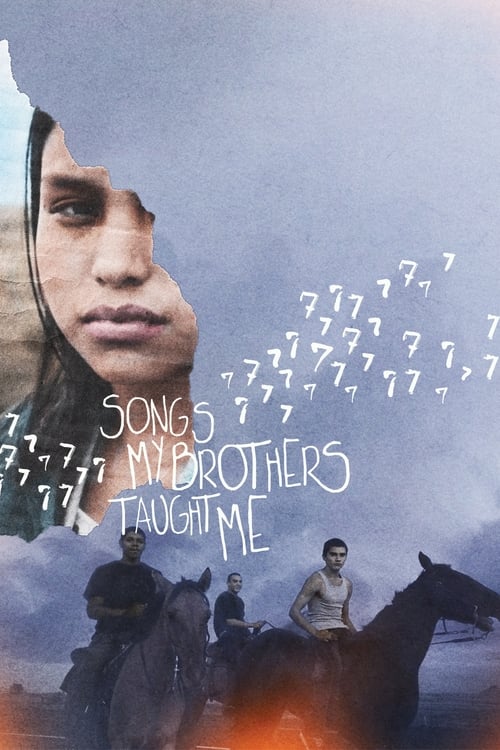
Songs My Brothers Taught Me
2015
No user ratings available yet
Representation score: 7.4 out of 10
Representation Score
Excellent
2009
Not RatedDirector
Sterlin Harjo
Runtime
85 minutes
Average Rating
No ratings yetNew Showbiz Analysis
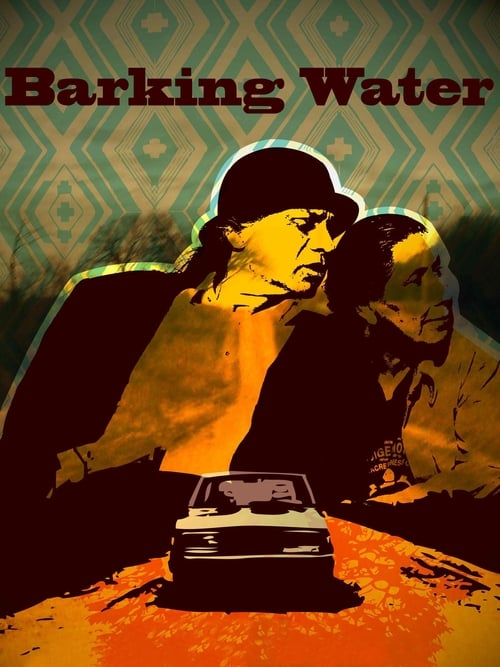
Barking Water is a powerful act of narrative reclamation that successfully dismantles the outsider perspective. By centering Anishinaabe viewpoints, the film moves beyond mere representation to offer a sophisticated, community-centric worldview. The production's greatest strength lies in its commitment to racial and ethnic authenticity. Using an Indigenous cast and crew ensures the setting feels like a complex, lived-in reality rather than a colonial stereotype. While the film excels in cultural depth, it offers less visibility regarding specific LGBTQ identities or neurodivergent experiences. The focus remains primarily on kinship and the physical realities of mortality.
Category Breakdown
The film emphasizes Indigenous kinship and community over explicit LGBTQ narratives. There are no clear non-traditional gender arcs or central LGBTQ plots.
Female characters have significant emotional influence and intellectual depth. The story avoids framing women as secondary to male-driven action, focusing instead on nuanced, character-driven motivations.
The film stands out by centering the Anishinaabe/Ojibwe experience with an almost entirely Indigenous cast and crew. It avoids including someone from a minority group without giving them real depth by portraying the reservation as a lived reality rather than a backdrop.
The narrative prioritizes localized, community-centric values over Western institutional norms. It uses a post-colonial lens to highlight Indigenous sovereignty and cultural continuity through the concept of home.
The story touches on mortality and Frankie's declining health. However, it is unclear if disability plays a central role in driving the narrative or serves as a specific narrative device.
Present on Screen
Limited or Absent
Official Synopsis
Frankie is dying. Irene hasn't forgiven him. And they are racing against time to find their way home. Frankie needs help and Irene is the one he turns to. He must go home one last time. And, like so many times before, Irene is extending herself beyond her common sense. The two set out on a journey that becomes more than getting home; confronting the past, love, understanding, and self discovery. Barking Water is a tale of great love that looks at what brings us all together. It's a tale of home...and what it takes to get there.
2015

1998

2007
2023
2011

2007
2015
2018
No reviews yet. Be the first to share your thoughts on this movie!
Use the rating form above to leave a star rating and optional review.