Find another title
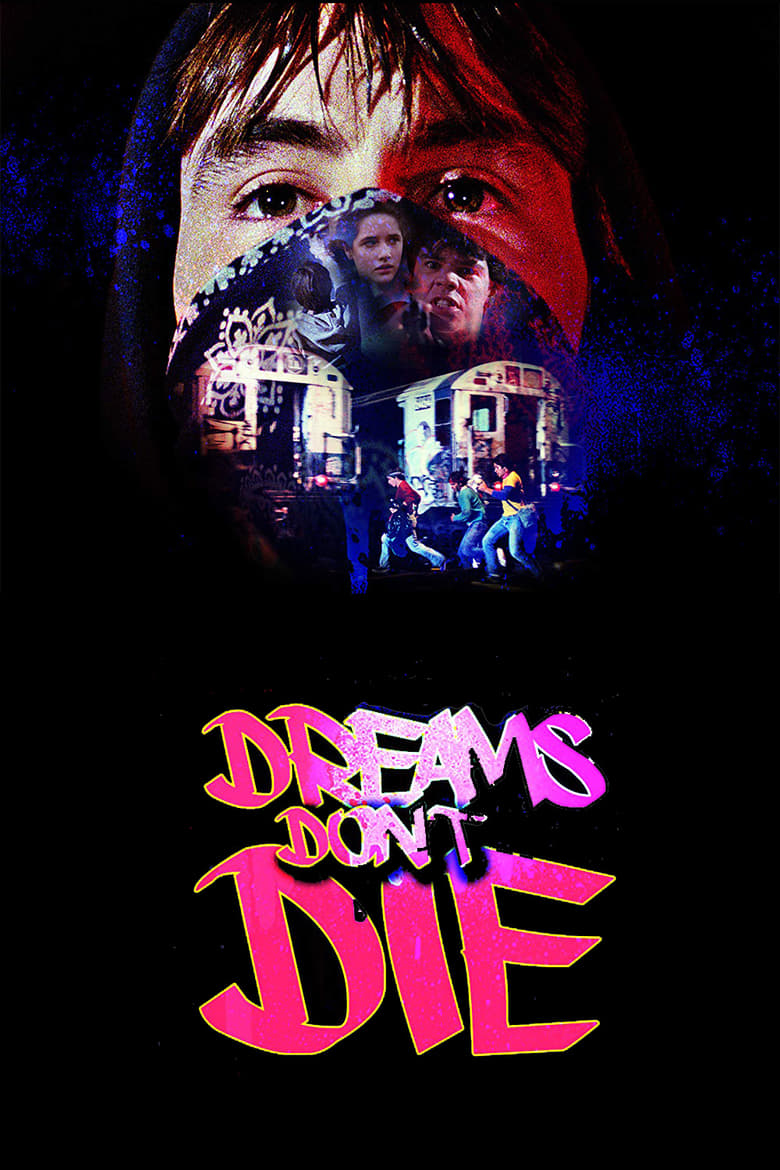
Dreams Don't Die
1982
TV-PGDirector
Roger Young
Runtime
100 minutes
Average Rating
No ratings yetSynopsis
Two young kids in love, one young graffiti artist and the other a foster-child, find trouble on the mean streets on the other side of the river in New York City. Officer Charles Banks finds young Danny tagging subway cars and then catches Teiresa selling drugs for another mislead teen, Kirk. The officer, instead of turning both of them in, gives both teens a chance to make more of their lives together. Changing their ways turns out to be more challenging than first thought.
Where to Watch
Diversity & Representation
Overall Score
Fair
Category Breakdown
LGBTQ+ Representation
The film lacks explicit evidence of LGBTQ+ characters or non-heteronormative identities. The central romance follows traditional heteronormative conventions typical of 1982 television.
Gender Representation
The narrative is heavily male-centric, focusing on a male protagonist and antagonist. While Teiresa shows agency, her role is defined by vulnerability within a male-dominated criminal environment.
Racial & Ethnic Diversity
The urban New York setting and themes of marginalized youth suggest a narrative engaged with socio-economic and racialized struggles. It offers moderate representation through the lens of urban realism.
Religious & Cultural Diversity
The film critiques rigid legal institutions by favoring restorative justice over punitive measures. It frames character transgressions as products of systemic environmental failures.
Disability Representation
There is no mention of characters navigating physical, neurodivergent, or mental health disabilities within the story.
Strengths
- Challenges traditional legalistic hierarchies by prioritizing restorative justice.
- Engages with socio-economic struggles through an urban realist lens.
- Provides a nuanced look at the systemic failures affecting marginalized youth.
Areas for Improvement
- Lacks representation of LGBTQ+ identities and non-heteronormative perspectives.
- Features a male-dominated narrative structure with limited female agency.
- Provides no visible representation of characters with disabilities.
AI Analysis
Dreams Don't Die operates as a moderate social drama that leans into the character-driven realism of early 1980s television. It finds its footing by challenging the era's standard 'law and order' tropes, opting for empathy and social reintegration rather than strict punishment. However, the film remains limited by the storytelling conventions of its time. The narrative architecture is largely centered on male figures, and the lack of queer or disabled representation keeps the diversity profile relatively low. Ultimately, the film's value lies in its subtle critique of systemic failures, portraying the struggles of foster children and urban youth as complex social issues rather than simple moral failings.
Rate this Movie
Reviews
No reviews yet. Be the first to share your thoughts on this movie!
Use the rating form above to leave a star rating and optional review.