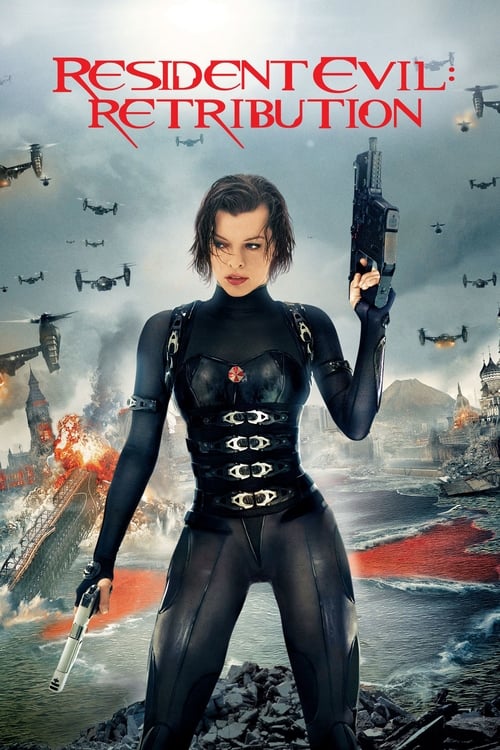
Resident Evil: Retribution
2012
No user ratings available yet
Representation score: 6.4 out of 10
Representation Score
Good
2016
RDirector
Paul W. S. Anderson
Runtime
107 minutes
Average Rating
No ratings yetNew Showbiz Analysis
The film is a study in contradictions, excelling in gender subversion while falling short in demographic breadth. By centering Alice as the sole architect of human survival, the movie successfully disrupts traditional gender hierarchies and places a female protagonist in a position of absolute combat proficiency. However, this progress is offset by a lack of racial and LGBTQ+ diversity. The cast remains largely homogeneous, and the narrative avoids any exploration of non-straight identities. The film's social commentary is primarily directed at systemic structures rather than individual identities. Ultimately, the film's strength lies in its anti-institutional themes. It uses the sci-fi framework to challenge corporate hegemony and centralized authority, providing a meaningful critique of late-stage capitalism despite its narrow demographic focus.
Category Breakdown
The film lacks LGBTQ+ characters or explorations of non-straight identities. The narrative focuses strictly on survivalist dynamics, offering no representation in this category.
Alice serves as a powerful subversion of the masculine savior cliché. She possesses superior physical abilities and intellectual dominance, while male characters occupy secondary roles.
The cast is predominantly white, following traditional action-horror casting patterns. The film does not utilize diverse ethnic blending or color-blind casting to expand its scope.
The story offers a sharp critique of unchecked corporate greed through the Umbrella Corporation. It explores the consequences of systemic hubris and institutional corruption.
Physical transformations caused by the T-virus are treated as horror elements rather than nuanced portrayals of disability. Characters with disabilities lack real control over their situations or lived-experience depth.
Present on Screen
Limited or Absent
Official Synopsis
Picking up immediately after the events in Resident Evil: Retribution, Alice is the only survivor of what was meant to be humanity's final stand against the undead. Now, she must return to where the nightmare began - The Hive in Raccoon City, where the Umbrella Corporation is gathering its forces for a final strike against the only remaining survivors of the apocalypse.
2012
2008
2010
2021
2024

2016
2014
2007
No reviews yet. Be the first to share your thoughts on this movie!
Use the rating form above to leave a star rating and optional review.