
30 Dates
2016
No user ratings available yet
Representation score: 3.2 out of 10
Representation Score
Limited
1998
RDirector
Myles Berkowitz
Runtime
87 minutes
Average Rating
No ratings yetNew Showbiz Analysis
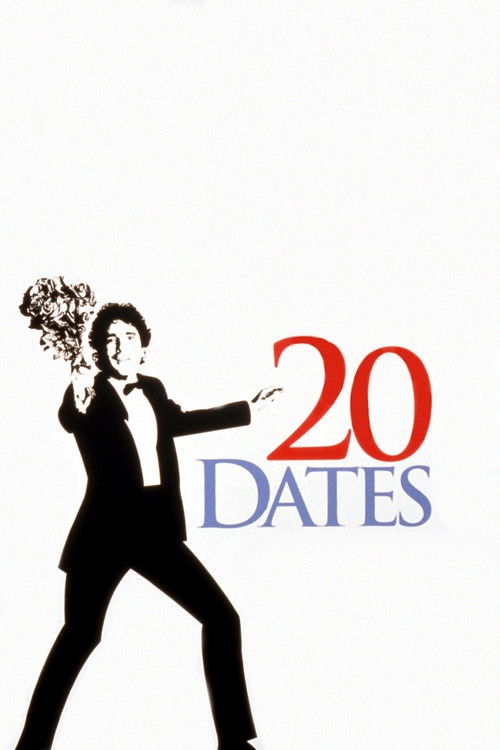
20 Dates primarily functions as a conventional romantic comedy centered on a male protagonist's personal journey. While it explores the tension between genuine human connection and media-driven superficiality, it stays within the bounds of traditional genre conventions. The film does not significantly challenge social hierarchies or power dynamics related to race or gender. Instead, it focuses on individual experiences and existential questions about modern romance without intentionally deconstructing these dynamics. Overall, the work is a character-driven independent narrative that emphasizes romantic clichés over substantial social or layered critiques.
Category Breakdown
The story focuses on a heterosexual relationship and does not include characters with diverse gender identities or explore LGBTQ+ issues. There are no direct criticisms of the assumption that everyone is straight or cisgender.
The story revolves around a male protagonist's journey, often portraying women as objects of his quest. However, it offers some nuance by questioning the male perspective and the commercialization of women.
Set in Los Angeles, the film follows typical casting practices of the late 1990s. There is no indication of a predominantly non-white cast or intentional casting of actors from different racial backgrounds.
The film delves into postmodern themes about authenticity in a digital age. It questions whether genuine connections can exist in modern life but does not explicitly criticize Western institutions.
There are no disabilities, either visible or invisible, mentioned or central to the character development.
Present on Screen
Limited or Absent
Official Synopsis
Myles is divorced in L.A. He wants a love life and a film career. So he decides to go on 20 dates and find true love in front of a camera, making his first feature. His patient agent, Richard, finds a $60,000 investor, the shadowy Elie. Myles starts his search, sometimes telling his date she's being filmed, sometimes not. Elie wants sex and titillation, Myles wants it "real." Myles regularly talks with his old film teacher, Robert McKee, who wonders if love is possible in modern life. Half-way through the 20 dates, Myles meets Elisabeth; she's everything he desires and she likes him. Can he finish the 20 dates, satisfy Elie, and complete his film without losing Elisabeth?
2016
1997

2016

2009

2020
2011
2006
2006
No reviews yet. Be the first to share your thoughts on this movie!
Use the rating form above to leave a star rating and optional review.