
Tracked
1985
No user ratings available yet
Representation score: 4.2 out of 10
Representation Score
Minimal
1992
TV-14Director
Michael Toshiyuki Uno
Runtime
95 minutes
Average Rating
No ratings yetNew Showbiz Analysis
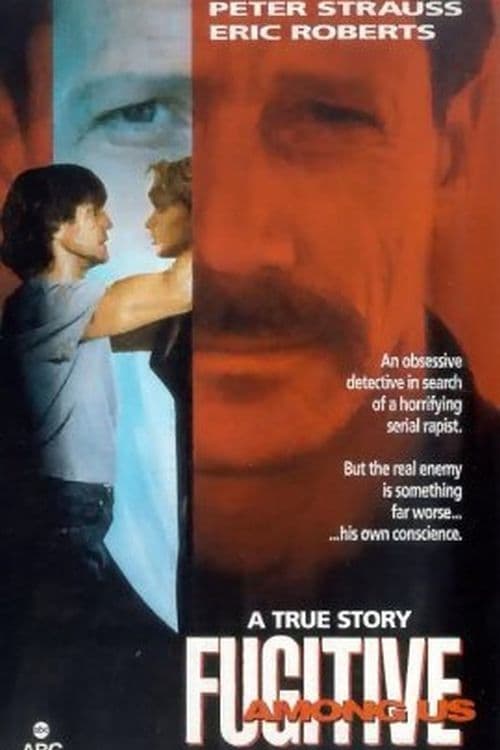
Fugitive Among Us functions as a conventional crime drama centered on a detective's pursuit of an escaped criminal. While the emotional connection between the investigator and a survivor provides a potential layer of character depth, the film remains tethered to standard procedural clichés. The narrative lacks the complexity needed for a higher diversity rating, with no visible representation of LGBTQ+ identities, disability, or a clearly diverse cast. Ultimately, the work prioritizes individual justice and law enforcement over disrupting traditional social hierarchies or exploring systemic identity issues.
Category Breakdown
The film follows a traditional crime-thriller framework. There is no evidence of non-traditional gender identities or narratives that critique the assumption that everyone is straight or cisgender.
A complicated relationship between the detective and a victim suggests potential for nuanced gender dynamics. However, the narrative risks relying on the 'victim' archetype without giving the female lead more control over her actions.
The Southwest setting offers a backdrop for cultural intersection, but the film lacks explicit confirmation of a diverse cast. There is no evidence of characters of color having significant control over their actions.
The story operates within standard crime-thriller conventions. It lacks evidence of narratives that challenge Western social structures.
The plot does not feature characters navigating neurodivergence or physical disabilities. No mental health conditions are presented as central to character identity.
Present on Screen
Limited or Absent
Official Synopsis
An increasingly obsessed detective chases an escaped rapist across the Southwest and enters into a complicated relationship with one of the victims.
1985

1931

1993
1997
1995
1987

1981
2000
No reviews yet. Be the first to share your thoughts on this movie!
Use the rating form above to leave a star rating and optional review.