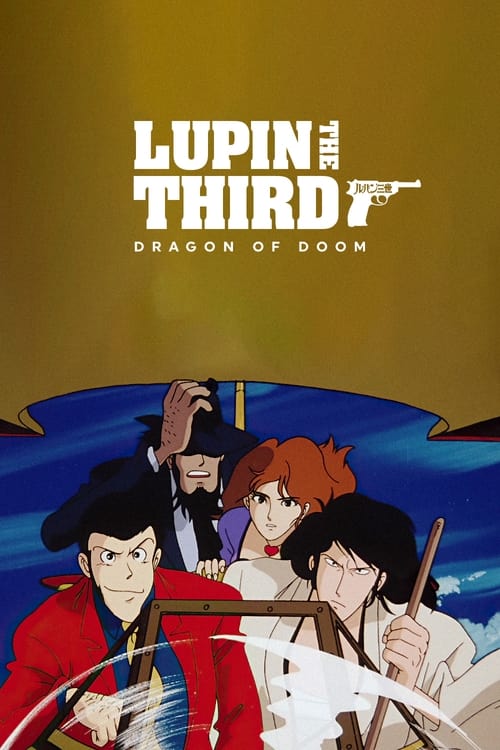
Lupin the Third: Dragon of Doom
1994
No user ratings available yet
Representation score: 5.0 out of 10
Representation Score
Fair
1997
PGDirector
Hiroyuki Yano
Runtime
93 minutes
Average Rating
No ratings yetNew Showbiz Analysis
Lupin the Third: Island of Assassins is a genre-focused pulp adventure that prioritizes character archetypes over progressive social commentary. While it challenges traditional heroism through morally ambiguous protagonists, it does not extend this subversion to identity-based frameworks. The film finds its strongest diversity in Fujiko Mine, who operates independently of the male ensemble. However, the narrative remains largely traditional regarding racial and LGBTQ+ representation. Ultimately, the work functions as escapist entertainment, focusing on the immediate stakes of the heist and the hunt for a killer, rather than systemic critiques.
Category Breakdown
The film follows traditional structures that assume everyone is straight or cisgender. There are no LGBTQ+ characters or non-traditional gender identities in the main storyline.
Fujiko Mine has high ability to act, navigating a male-dominated world using her intellect and manipulation skills. However, her role is limited by the reliance on the femme fatale archetype.
The cast is mostly uniform, reflecting the Japanese origins of the franchise. The story does not include diverse casting or non-white majority ensembles to broaden its scope.
The story focuses on moral relativism and the heist itself, rather than institutional values. It is a character-driven adventure without a critique of systemic structures.
Characters with visible or invisible disabilities are not given much ability to act. The focus remains on physical prowess, combat, and tactical intelligence.
Present on Screen
Limited or Absent
Official Synopsis
Lupin is framed for the murder of Inspector Zenigata by a mysterious assailant holding a silver-coloured Walther P38 pistol Lupin himself once owned. Tracking the true killer leads Lupin to the island of the bloodthirsty Tarantula assassins inside the Devil’s Triangle. After joining the spider-tattooed army against their will, Lupin and his gang make both new friends and enemies as they not only plan to take home the Tarantulas’ massive gold repository for themselves, but hunt down the shooter from Lupin’s past. Can Lupin put to rest this demon who haunts his memories with the Walther P38?
1994

2019
1990
1979

2016
1999

2014
1993
No reviews yet. Be the first to share your thoughts on this movie!
Use the rating form above to leave a star rating and optional review.