
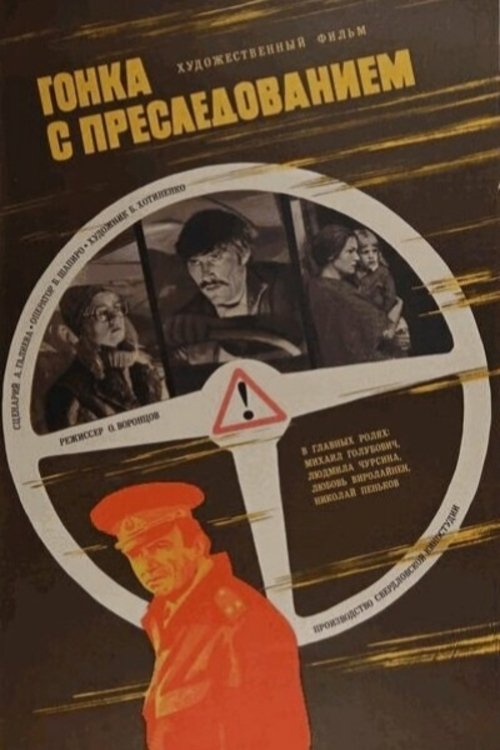
Bimmer
2003
No user ratings available yet
Representation score: 3.7 out of 10
Representation Score
Minimal
1979
Director
Olgerd Vorontsov
Runtime
90 minutes
Average Rating
No ratings yetNew Showbiz Analysis
The film opens on a wide, static shot of a snowy, desolate landscape, establishing the physical toll of the environment before introducing the human drama. This visual framing treats the Soviet winter not as a backdrop but as an antagonist, washing away individuality to reveal the collective spirit. The sold meaning is a parable of endurance: Stepan Chekmenev, a driver with a "solid loghouse" and healthy children, is haunted by a fellow villager’s death in the forest. His guilt is not for a crime of passion, but for a perceived moral failure to be sufficiently connected to his community. The camera lingers on the physical strain of labor and the quiet resilience of Klavdia, his wife, who is a competitor in the struggle for survival, not a spectator. The film’s argument is that competence and endurance are the only currencies that matter, and that the nuclear family is the primary unit of moral accountability. Stepan’s journey is inward, a reckoning with his own indifference, rather than an outward challenge to the social order. The ending does not offer a triumphant finish line but a quiet affirmation of survival and duty. The "victory" is the completion of the race itself, framed against the indifference of the Soviet winter. This is a traditionalist text: it treats the family, labor, and collective duty as unmarked goods, and it offers no critique of the structures that define them. The last image is not a subversion but a confirmation of the status quo, where the moral weight rests on the individual’s ability to endure and belong.
Category Breakdown
No queer characters or same-sex intimacy appear. The social world is strictly heterosexual and traditional, with no non-binary identities depicted in this rural drama.
Klavdia is a central, competent figure who endures hardship alongside her husband. She is not a passive prize, yet the narrative remains anchored in traditional nuclear family structures and domestic stability.
The cast is uniformly unmarked-majority Soviet citizens. No racial or ethnic diversity is depicted or discussed; the 'other' is the natural environment, not a demographic group.
The film treats the nuclear family, rural labor, and collective duty as the highest moral goods. Stepan’s guilt stems from a perceived failure to uphold these traditional bonds, not from challenging them.
No characters with disabilities appear. Physical suffering is limited to temporary environmental exposure shared by all, not a site of identity or impairment.
Present on Screen
Limited or Absent
Official Synopsis
A life of a driver Stephan Chekmenev turns out to be very lucky: healthy children, loving wife, solid loghouse. But once his fellow-villager perishes in a forest. And Chekmenev, considering himself to be the one to blame, in expectation of an imminent retribution, tries to understand: why and when did he, once having so many friends, become so indifferent towards other peoples lives.
2003
2013
1983

1987
1994
2009
1991
1970
No reviews yet. Be the first to share your thoughts on this movie!
Use the rating form above to leave a star rating and optional review.