Hollywood North
2004
No user ratings available yet
Diversity score: 4.7 out of 10
2008
RDirector
Mark Hartley
Runtime
103 minutes
Average Rating
No ratings yetSynopsis
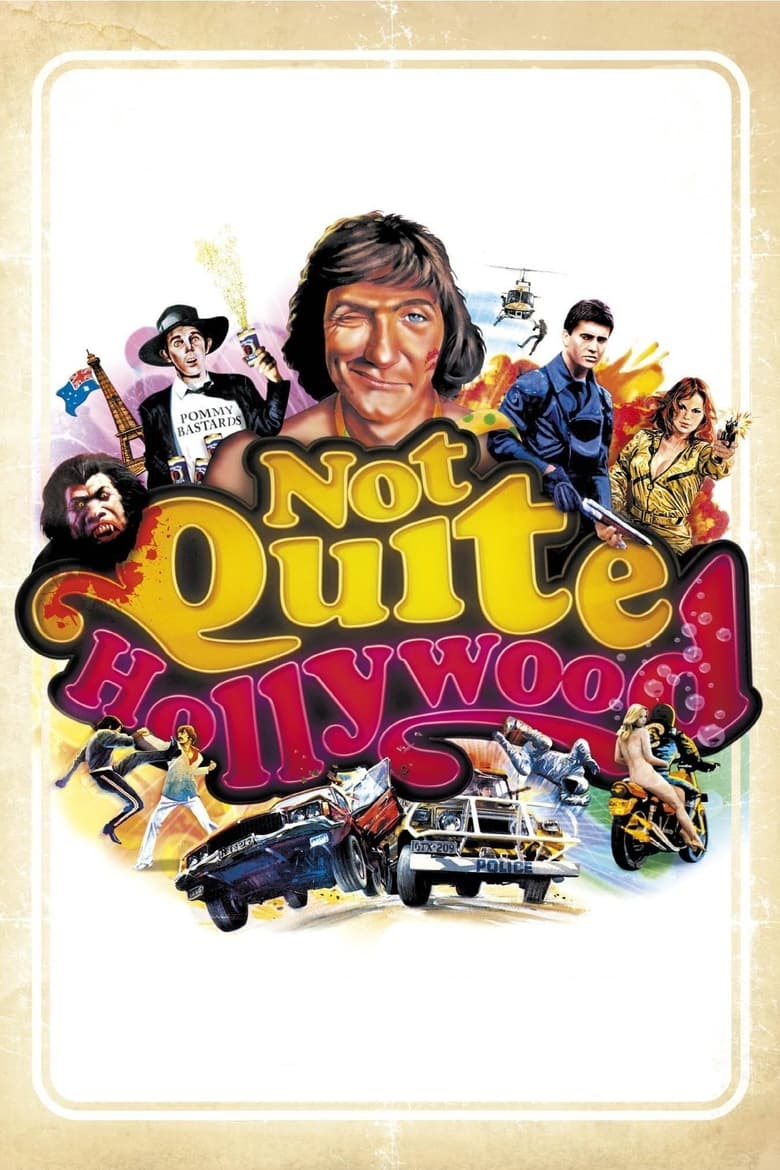
As Australian cinema broke through to international audiences in the 1970s through respected art house films like Peter Weir's "Picnic At Hanging Rock," a new underground of low-budget exploitation filmmakers were turning out considerably less highbrow fare. Documentary filmmaker Mark Hartley explores this unbridled era of sex and violence, complete with clips from some of the scene's most outrageous flicks and interviews with the renegade filmmakers themselves.
Overall Score
Fair
Category Breakdown
LGBTQ+ Representation
The documentary functions as a historical survey rather than a platform for queer narratives. It acknowledges the historical absence of queer identities in mainstream Australian cinema without centering LGBTQ+ characters.
Gender Representation
The film explores the evolution of gendered archetypes, specifically the dominance of the rugged bushman ideal. It documents how era-specific films reinforced or slowly challenged traditional gender hierarchies.
Racial & Ethnic Diversity
The film examines the transition from British colonial-era depictions to a localized Australian voice. However, it focuses more on industry evolution than the intersectional experiences of non-Anglo-Saxon populations.
Religious & Cultural Diversity
The narrative highlights the friction between the Australian film industry and the Hollywood studio system. It values subcultural rebellion and the struggle for a local voice against external cultural pressures.
Disability Representation
There is insufficient evidence to evaluate the depiction of disability within this documentary.
Strengths
Areas for Improvement
AI Analysis
Not Quite Hollywood acts as a cinematic autopsy of the Australian film industry, focusing on the tension between highbrow art house cinema and the underground exploitation sector. It succeeds as a historical deconstruction of national identity and a critique of global capitalist structures that dictate cultural output. However, the film is primarily an observational historical survey. It lacks active, intersectional representation, focusing instead on the systemic exclusion and heteronormative constraints of the eras it examines. The documentary prioritizes the evolution of the industry over the promotion of contemporary identity politics.
2004

2012

2011

2010

2014
No reviews yet. Be the first to share your thoughts on this movie!
Use the rating form above to leave a star rating and optional review.