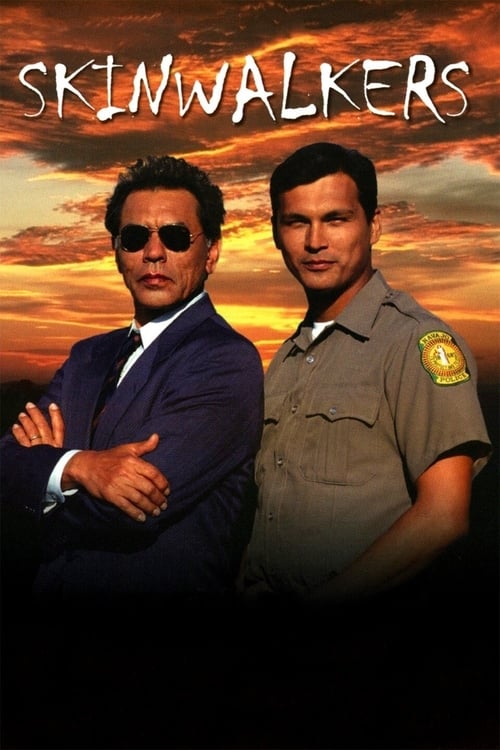
Skinwalkers
2002
No user ratings available yet
Representation score: 5.3 out of 10
Representation Score
Fair
2003
Director
Jan Egleson
Runtime
107 minutes
Average Rating
No ratings yetNew Showbiz Analysis
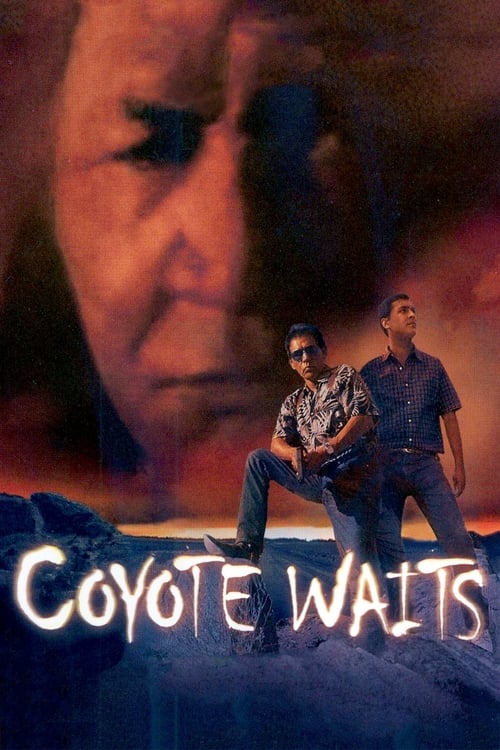
Coyote Waits stands out for its commitment to indigenous ability to act and its critique of systemic authority. By centering Navajo traditions and shamanism, the film challenges traditional Western narrative hierarchies and avoids treating indigenous culture as mere aesthetic background. However, the film's impact is limited by a narrow demographic focus. The absence of LGBTQ+ representation and a lack of actively leading female characters prevent a more balanced diversity profile. Ultimately, the film's strength lies in its cultural authenticity and its refusal to rely on conventional Hollywood formulas, providing a meaningful departure from mainstream storytelling despite its limited breadth.
Category Breakdown
The film does not include any LGBTQ+ characters or explore non-straight identities. The story focuses mainly on the central mystery and Navajo cultural elements.
The main character, Officer Jim Chee, demonstrates competence, but the film lacks prominent female characters who play significant roles in driving the story.
The production excels by centering a Navajo cast and perspective. Using Wes Studi helps avoid whitewashing, placing indigenous sovereignty and shamanistic traditions at the heart of the plot.
The film highlights the tension between traditional indigenous practices and modern law enforcement. It prioritizes shamanism over Western morality, framing the struggle within a non-Western framework.
There is no evidence regarding the portrayal of physical or neurodivergent disabilities in this production.
Present on Screen
Limited or Absent
Official Synopsis
A Navajo shaman is the prime suspect in a murder case in this drama from PBS. But as Officer Jim Chee investigates the case he discovers some unusual events that perplex the veteran lawman, leading to an intriguing climax.
2002
2015
2002

1992

1996

2012
2004
No reviews yet. Be the first to share your thoughts on this movie!
Use the rating form above to leave a star rating and optional review.