
Hum Dil De Chuke Sanam
1999
No user ratings available yet
Representation score: 3.4 out of 10
Representation Score
Minimal
1998
Director
E.V.V. Satyanarayana
Runtime
145 minutes
Average Rating
No ratings yetNew Showbiz Analysis
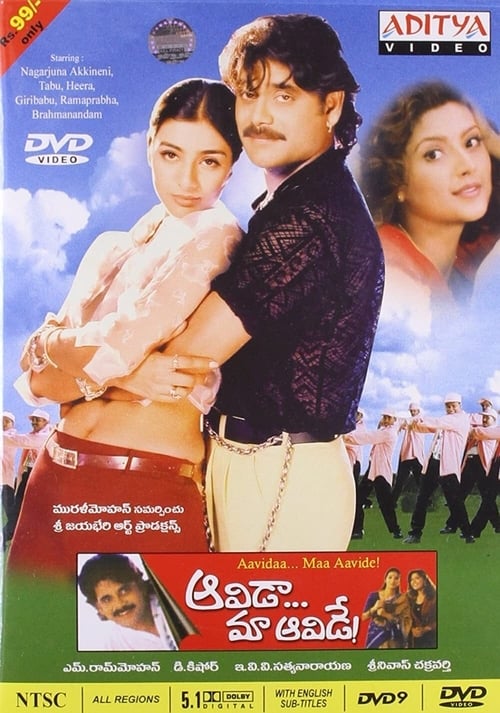
Aavida Maa Aavide is a traditional family romance that adheres to the mainstream commercial sensibilities of late-90s Telugu cinema. The narrative focuses on interpersonal relationships and the preservation of domestic stability. While the film offers a moment of female empowerment through Archana's ultimatum, the overall structure follows established romantic clichés. It operates within a conventional social framework without attempting to subvert cultural hierarchies. The film serves as a standard regional production, centering on local cultural norms and traditional romantic conflicts without exploring multi-layered or progressive themes.
Category Breakdown
The film does not include any characters with non-straight identities. The story centers on a traditional marriage and typical romantic relationships.
Archana asserts herself by demanding a choice when her husband seeks another woman. However, the plot revolves around the standard romantic triangle clichés.
This Telugu-language film reflects the primary ethnic group of its South Indian context. It operates within the cultural ecosystem of its region.
The story upholds traditional family values and sanctity. It aligns with conventional moral frameworks without challenging societal institutions.
There are no characters with visible or invisible disabilities mentioned. No information is available to assess representation in this category.
Present on Screen
Limited or Absent
Official Synopsis
Vikrant and Archana fall in love and get married. Eventually their marriage begins to crumble and Vikrant regrets his act. When he falls in love with another woman, Archana asks him to make a choice.
1999

2003

2023

2001

2000

2009

2005

2000
No reviews yet. Be the first to share your thoughts on this movie!
Use the rating form above to leave a star rating and optional review.