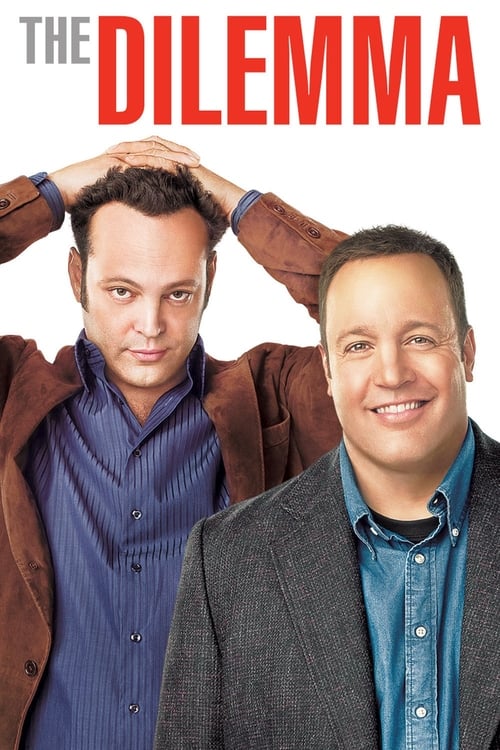
The Dilemma
2011
No user ratings available yet
Representation score: 1.1 out of 10
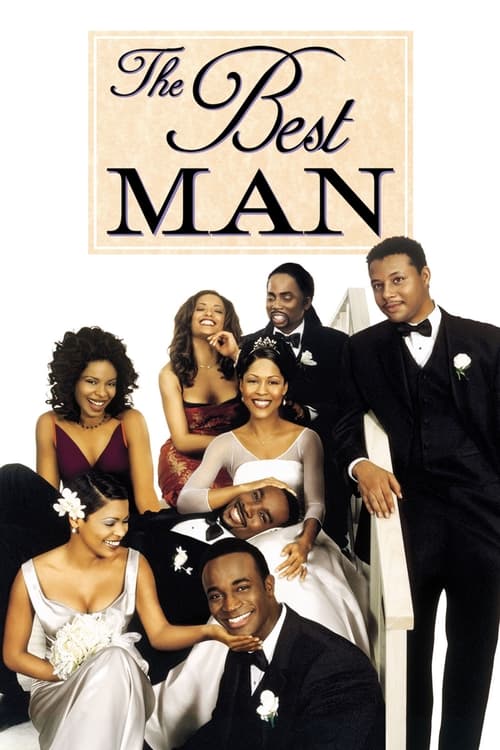
Representation Score
Good
1999
RDirector
Malcolm D. Lee
Runtime
120 minutes
Average Rating
No ratings yetNew Showbiz Analysis
The Best Man offers a nuanced look at racial diversity by focusing on a professional Black ensemble that challenges traditional Hollywood stereotypes. It presents a multifaceted view of the Black community's socioeconomic diversity. The film also places LGBTQ+ themes at the heart of the narrative tension, giving characters significant influence over their personal journeys and identities. However, it remains rooted in traditional romantic storylines for its female characters, focusing on professional success and social standing without addressing disability or religious themes explicitly.
Category Breakdown
The film includes a central storyline where a closeted identity becomes a key part of the group's social conflict. This challenges the assumption that everyone is straight and forces the characters to confront internal biases.
Women are shown as successful professionals, such as doctors and lawyers, who have significant control over their lives and careers. They maintain their independence even as their personal and professional lives intersect.
This film features an all-Black cast in professional roles, showing a wide range of socioeconomic backgrounds and complex interpersonal relationships. It avoids a single, stereotypical portrayal of Black life.
The story explores the fragility of friendships and family bonds when secrets come to light. It highlights moral complexity and the breakdown of social trust without prescribing a specific ethical stance.
There are no prominent depictions of visible or invisible disabilities that serve as central plot drivers in this narrative.
Present on Screen
Limited or Absent
Official Synopsis
After writing a soon-to-be bestselling novel, writer and committed bachelor Harper attempts to hide the fact that his saucy new book is loosely based on the lives and loves of his tight-knit group of friends. Harper is set to be best man at his friend Lance's wedding, and all his friends will be in attendance. When an advance copy of the book makes its way into the hands of his ex-flame, Jordan, Harper attempts to keep it under wraps.
2011
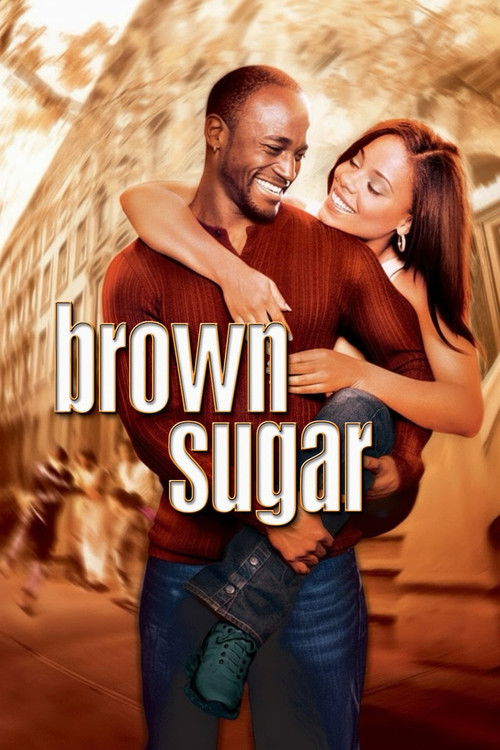
2002
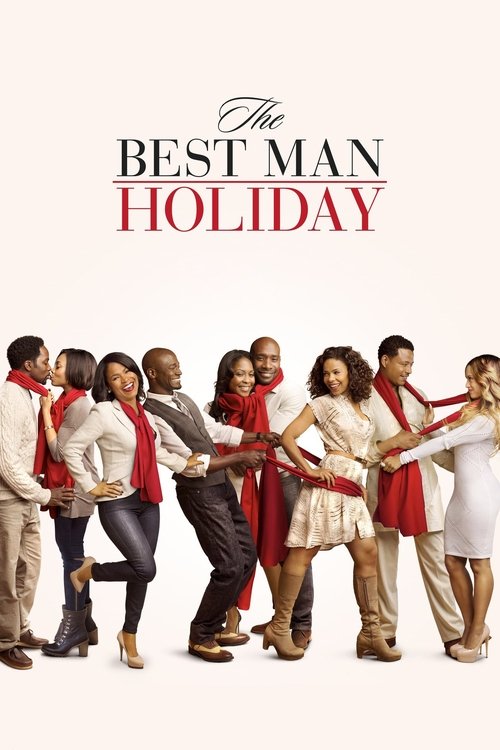
2013
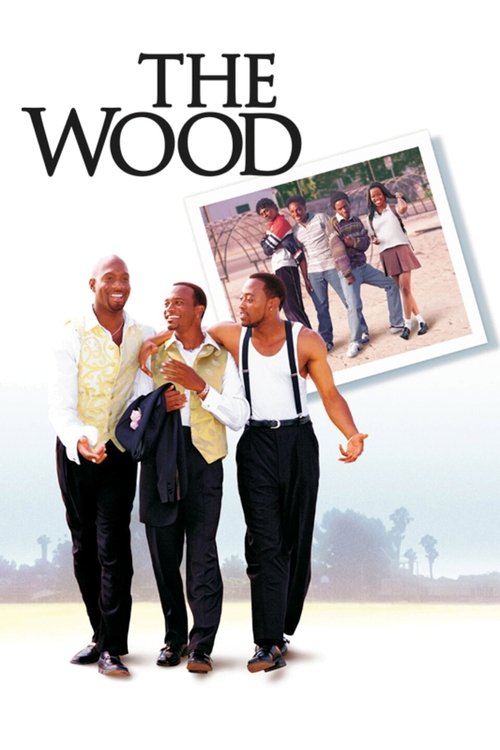
1999
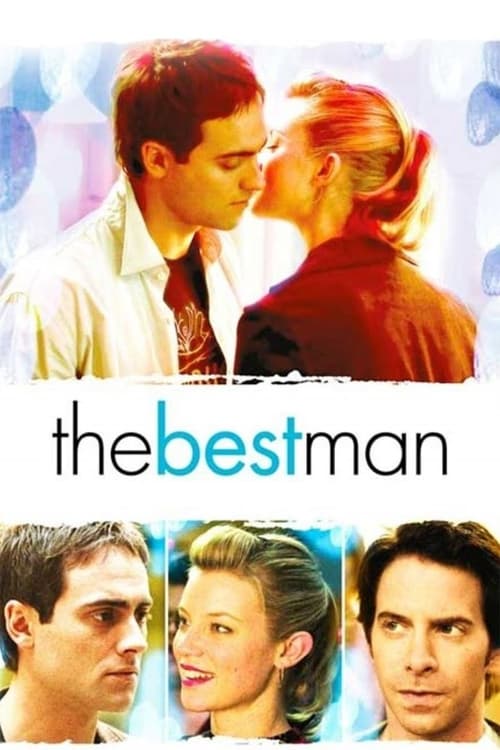
2005
2020
2005
2006
No reviews yet. Be the first to share your thoughts on this movie!
Use the rating form above to leave a star rating and optional review.