Dead Voices
2020
No user ratings available yet
Representation score: 3.9 out of 10
Representation Score
Fair
1998
RDirector
Geneviève Jolliffe
Runtime
82 minutes
Average Rating
No ratings yetNew Showbiz Analysis
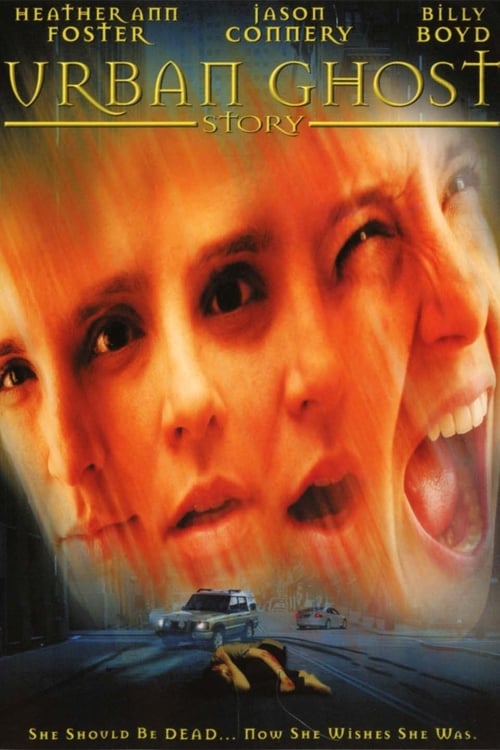
Urban Ghost Story is a character-driven psychological thriller that prioritizes subjective experience over spectacle. It succeeds in centering female perspectives, moving away from traditional male-led horror archetypes to explore maternal and individual trauma. However, the film lacks significant diversity in its representation of different backgrounds and identities. The cast and setting appear to follow a conventional Western framework, offering minimal representation of racial or LGBTQ+ diversity. While the film challenges the authority of objective reality, it does not fundamentally dismantle broader systemic hierarchies, remaining largely within traditional narrative boundaries.
Category Breakdown
The film lacks explicit LGBTQ+ characters or stories that go beyond the assumption that everyone is straight or cisgender. The central tension revolves around maternal bonds and individual trauma within traditional narrative structures.
The story centers on women's ability to drive the narrative, focusing on Lizzie's psychological journey and Kate's validation. It disrupts horror clichés by prioritizing a female-centric struggle for autonomy.
The narrative suggests a conventional Western domestic framework. There is little evidence of characters reflecting multiple aspects of diversity or the disruption of racial homogeneity within the setting.
The film explores the breakdown of institutional reliability and the priority of subjective truth over scientific consensus. However, it remains rooted in a traditional domestic setting.
Lizzie’s near-death experience and subsequent disturbances mirror the systemic invalidation often faced by those with invisible disabilities or mental health conditions.
Present on Screen
Limited or Absent
Official Synopsis
After a car accident, Lizzie lies dead on the roadside - slowly she is taken into the light - but is pulled back to earth when she is revived by the doctors. Lizzie feels sure that during the 184 seconds that she lay dead, something latched on to her and came back into her world. The nightmares and visions that follow only crystallize her belief that she should have died in the crash... Then the disturbances start, at first merely tappings and bad smells - but soon the activity escalates. Lizzie seems to be the focus, but according to others, she's just playing games for attention. Only when Kate, her mother, is confronted with inexplicable events does she face the possibility that they may be the victims of a poltergeist infestation
2020
1962
2017
2012
2021

1977

2006
1982
No reviews yet. Be the first to share your thoughts on this movie!
Use the rating form above to leave a star rating and optional review.