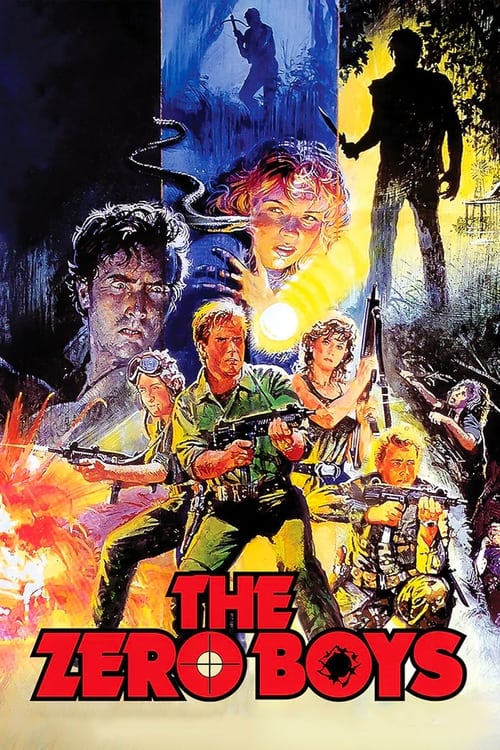
The Zero Boys
1986
No user ratings available yet
Diversity score: 1.7 out of 10
1986
Director
Robert C. Hughes
Runtime
101 minutes
Average Rating
No ratings yetSynopsis
Five "city boys" travel to the country to relax by doing some hunting, drinking Bud, and generally having good time. However, the local inbred backwoods psychos turn the hunters to be the hunted, and they need all the ammo and wits they have to get out of the woods alive.
Overall Score
Minimal
Category Breakdown
LGBTQ+ Representation
The film lacks any discernible presence of LGBTQ+ characters or non-heteronormative identities. It adheres strictly to the conventional social frameworks of 1980s exploitation cinema.
Gender Representation
Narrative agency is almost exclusively tied to physical prowess and violence. The film reinforces a rigid, traditionalist view of masculinity as the primary driver of survival.
Racial & Ethnic Diversity
The film utilizes a homogeneous casting pattern typical of mid-80s regional horror. It presents a narrow, culturally specific demographic without significant racial blending.
Religious & Cultural Diversity
The story centers on a frontier justice ethos and rugged individualism. It lacks engagement with secularism or critiques of Western institutions, favoring personal retribution.
Disability Representation
There are no prominent depictions of characters with physical or neurodivergent disabilities. Disability is not used as a narrative device or tool for development.
Strengths
Areas for Improvement
AI Analysis
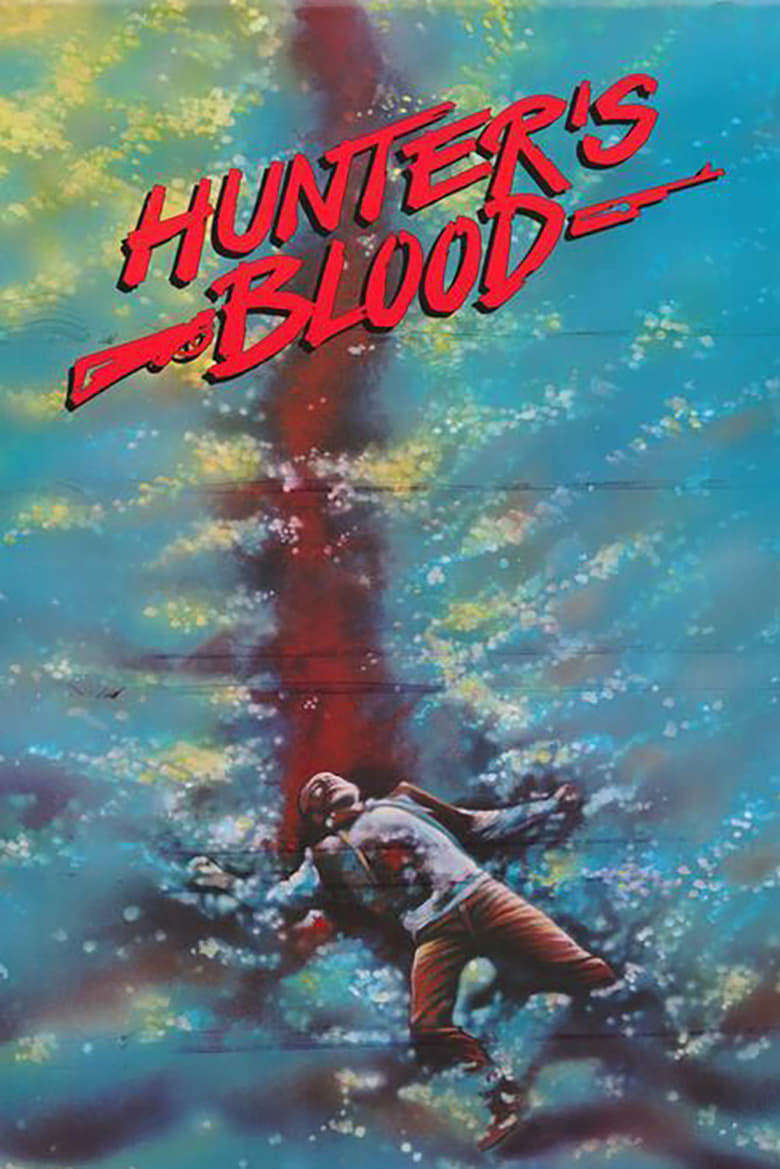
Hunter's Blood is a standard 1980s genre piece that relies heavily on established tropes of masculine dominance and rural-versus-urban conflict. The film functions as a period-typical exploitation work, prioritizing action and survival over social complexity. The narrative architecture reinforces traditionalist social structures rather than disrupting them. It lacks intersectional depth, focusing instead on the clash between city dwellers and backwoods psychos through a lens of physical violence.
No reviews yet. Be the first to share your thoughts on this movie!
Use the rating form above to leave a star rating and optional review.