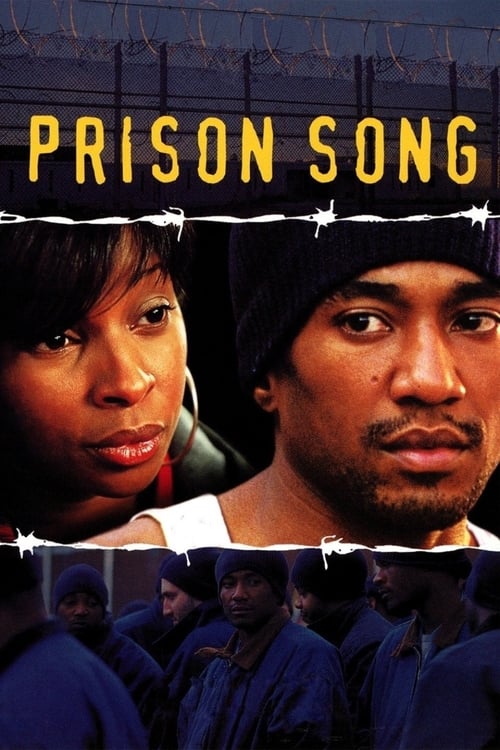
Prison Song
2001
No user ratings available yet
Representation score: 6.7 out of 10

Representation Score
Good
1998
RDirector
Marc Levin
Runtime
104 minutes
Average Rating
No ratings yetNew Showbiz Analysis
Slam is a powerful, intentional study of systemic friction and urban sociology. It succeeds by centering the Black experience and using poetic expression to challenge institutional power structures. However, the film's narrow sociological focus limits its breadth. The hyper-masculine setting results in a lack of LGBTQ+ representation and minimal women's ability to drive the story. Ultimately, the film's strength lies in its profound critique of the oppressor/oppressed framework. It trades traditional cinematic expectations for a realistic, non-idealized look at how underrepresented voices navigate and resist systemic decay.
Category Breakdown
The film focuses on hyper-masculine environments and does not include any queer narratives or non-cisgender identities.
The story centers around male peer dynamics and survival. Lauren Bell plays a crucial role as an intellectual catalyst, but women's ability to drive the story remains limited.
The film excels by centering the Black experience without falling into including someone from a minority group without giving them real depth. It explores the complexities of Black identity and systemic pressures with high ability to act.
The story critiques Western institutions and the judicial system as forces of entrapment. It frames survival-based behavior as a logical response to systemic failure.
The film does not focus much on neurodivergence or physical disabilities. The psychological toll of prison is treated as a systemic issue rather than a specific disability study.
Present on Screen
Limited or Absent
Official Synopsis
Raymond Joshua, a young black performance poet, is arrested and imprisoned for a petty marijuana charge in a Washington, D.C. jail. Although the confining prison walls do little to shield him from danger, it is within those walls that Raymond establishes his identity, strength, and voice and meets a prison gang leader and a prison writing teacher, Lauren Bell. Bell inspires Raymond to use the power of creative expression to free himself from the struggles and demise of the Black male as another victim of the judicial system.
2001
1992
1997

2021
2007

2012

2001
2014
No reviews yet. Be the first to share your thoughts on this movie!
Use the rating form above to leave a star rating and optional review.