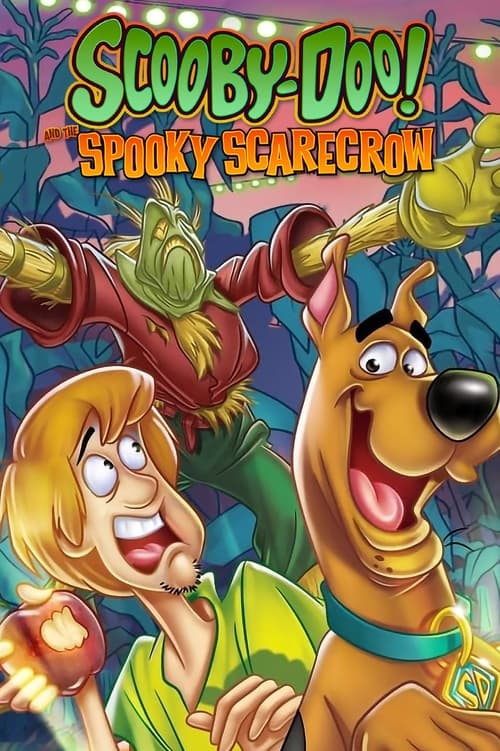
Scooby-Doo! and the Spooky Scarecrow
2013
No user ratings available yet
Representation score: 1.7 out of 10
Representation Score
Fair
2013
Runtime
65 minutes
Average Rating
No ratings yetNew Showbiz Analysis
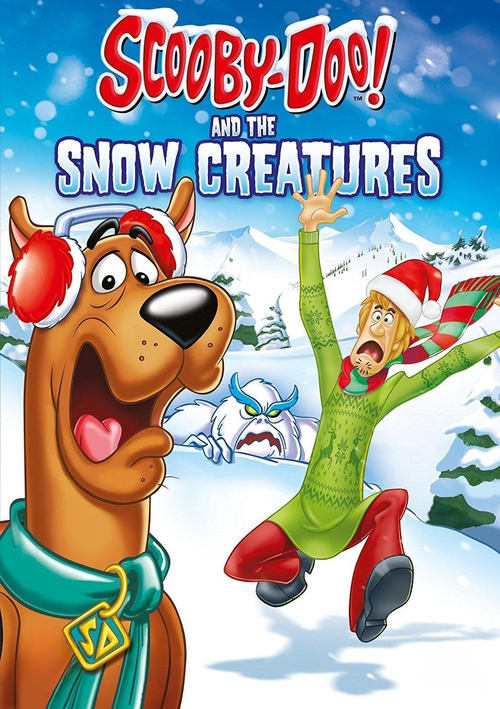
Scooby-Doo and the Snow Creatures follows a traditionalist model, prioritizing genre-standard mystery clichés over the exploration of diverse identities. The film relies on established character archetypes that maintain the status quo rather than disrupting it. While Velma provides a consistent baseline for female intellectual ability to act, the work lacks the intentionality needed to challenge broader social hierarchies. The narrative remains tethered to conventional storytelling patterns. Ultimately, the film prioritizes familiarity and genre cohesion. It functions as a safe, predictable entry that avoids nuanced representation for underrepresented groups.
Category Breakdown
The film does not feature any explicit LGBTQ+ characters or explore non-straight relationships. The interpersonal dynamics focus on the established platonic or implied heterosexual bonds of the Mystery Inc. ensemble.
Velma serves as the primary intellectual driver, challenging traditional hierarchies by centering female intellect. However, Fred often acts as the tactical leader while Daphne occupies more reactive roles.
The ensemble cast is largely homogeneous, reflecting the standard franchise baseline. The narrative lacks intentional racial or ethnic complexity and does not challenge Anglo-centric norms.
The story operates within a conventional Western framework with a binary moral compass. It reinforces a stable social order rather than deconstructing Western institutions or exploring systemic critiques.
Characters are presented as able-bodied protagonists. There is no visible or invisible disability portrayed with ability to act or used as a meaningful narrative element.
Present on Screen
Limited or Absent
Official Synopsis
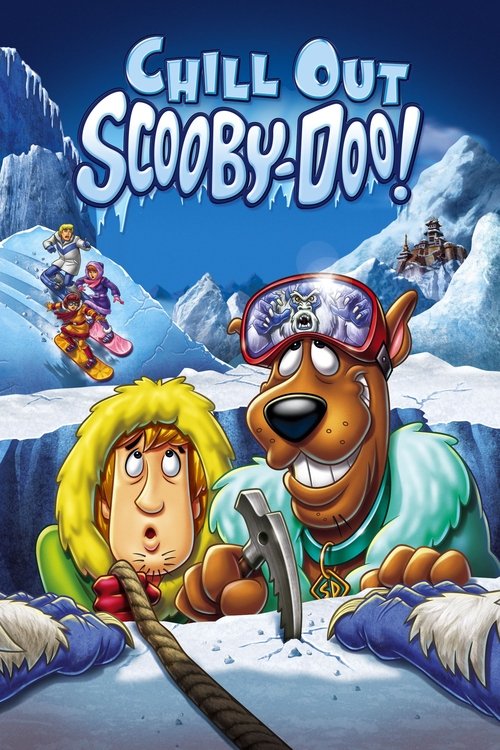
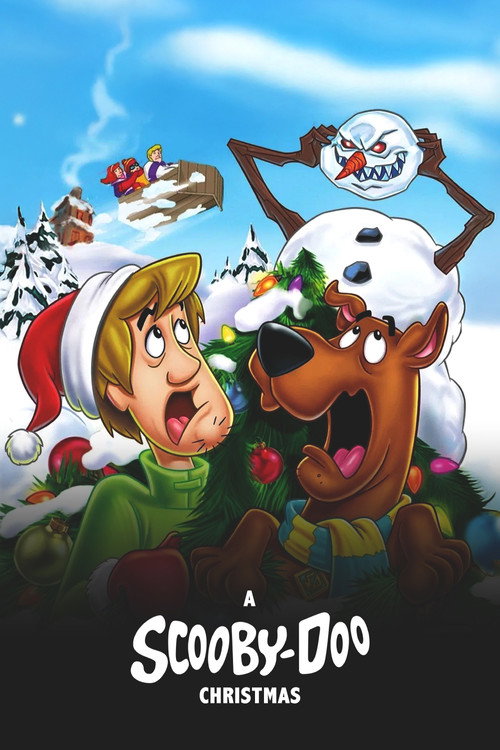
When contestants at a way-cool snowboarding contest are suspiciously sidelined, Scooby-Doo and the kids investigate - and discover a chilling fact that There's No Creature Like Snow Creature! In A Scooby-Doo Christmas, Scooby-Doo and crew set out to melt the ferocious Frosty and save the day. And finally, a ski vacation turns into a scarefest when Scooby and Shaggy meet up with the ghost of an abominable snowman. To find out it's all a snow job, the entire gang hits the slopes in search of clues in That's Snow Ghost.
2013
2007
2002

2010
2016
2005
2012
2006
No reviews yet. Be the first to share your thoughts on this movie!
Use the rating form above to leave a star rating and optional review.