Jack Irish: Bad Debts
2012
No user ratings available yet
Diversity score: 3.2 out of 10
2008
Director
Declan O'Dwyer
Runtime
89 minutes
Average Rating
No ratings yetSynopsis
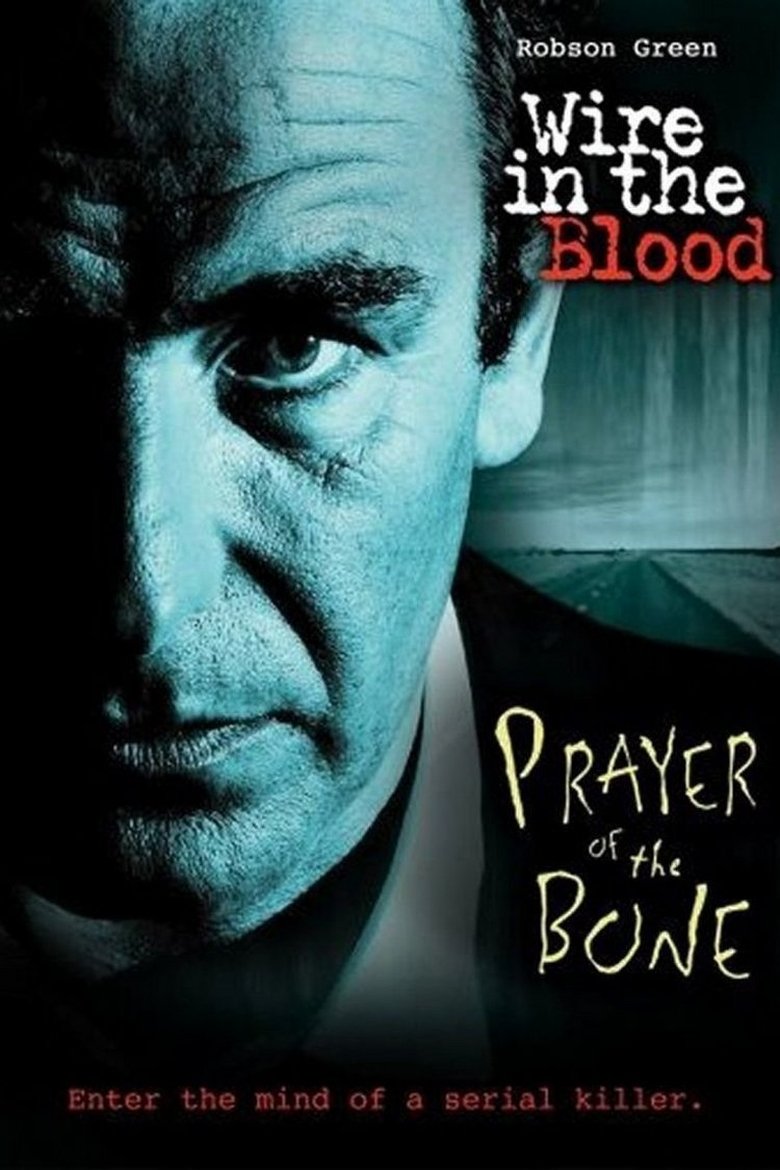
British crime-fighting psychologist Dr. Tony Hill crosses the Atlantic to investigate the case of an American vet who brutally killed his own family. Can he prove the soldier's defence of post-traumatic stress disorder is bogus? Or will the Texas heat, hostile locals and even a violent plot against him throw Dr. Hill off the trail? This feature-length film from the "Wire in the Blood" TV series also stars Brad Hawkins.
Overall Score
Fair
Category Breakdown
LGBTQ+ Representation
The narrative lacks explicit evidence of LGBTQ+ character arcs or non-heteronormative identities. The plot focuses on a psychological investigation into a family tragedy.
Gender Representation
The story centers on a male protagonist and a male antagonist. There is no indication of female characters possessing high agency or subverting traditional gender hierarchies.
Racial & Ethnic Diversity
The film uses a 'fish out of water' trope in a Texas setting. The focus on hostile locals may lean into regionalist stereotypes rather than intentional intersectional diversity.
Religious & Cultural Diversity
The film explores the complexities of mental health and systemic justice. It critiques social structures through its depiction of community cohesion and local hostility.
Disability Representation
The central conflict revolves around the legitimacy of PTSD. By centering a psychological condition, the film grants significant agency to the concept of invisible disability.
Strengths
Areas for Improvement
AI Analysis
The film functions primarily as a psychological procedural, prioritizing a traditional crime-mystery framework over broad intersectional representation. Its strength lies in its intellectual engagement with mental health and the nuances of psychological trauma. However, the narrative architecture remains largely conventional. The focus on a male-driven battle between a British psychologist and an American veteran limits the scope of gender and sexual orientation diversity. While the setting offers potential for cultural friction, the reliance on regionalist tropes and a male-centric cast results in a narrow demographic profile.
2012

2005
2014
1984
2018
No reviews yet. Be the first to share your thoughts on this movie!
Use the rating form above to leave a star rating and optional review.