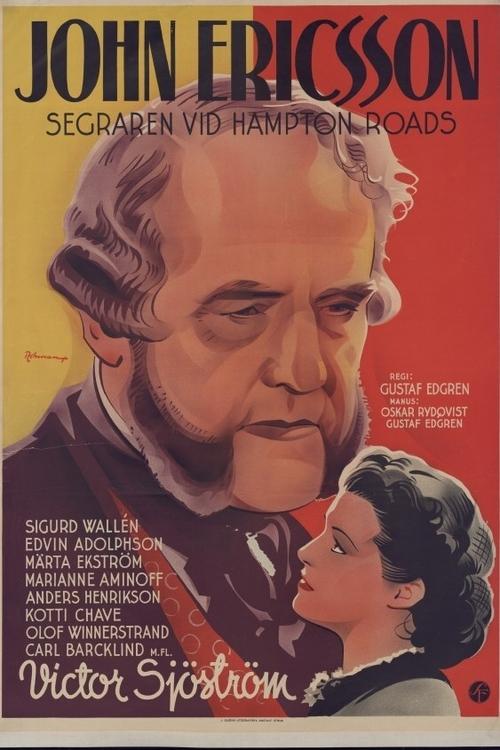
The Great John Ericsson
1937
No user ratings available yet
Representation score: 0.5 out of 10

Representation Score
Minimal
1939
ApprovedDirector
Fred Zinnemann
Runtime
11 minutes
Average Rating
No ratings yetNew Showbiz Analysis
The Ash Can Fleet is a typical period drama that mirrors the limitations of 1939 cinema. The story structure prioritizes traditional hierarchies of gender and race, offering no disruption to the social status quo. By focusing on male-dominated social spaces and a homogeneous white cast, the film provides a straightforward depiction of working-class life. Adhering strictly to the conservative social frameworks of its era, the film fails to engage with multi-layered identities and remains a standard studio-era production centered on conventional social structures.
Category Breakdown
The film centers on traditional male friendships and athletic competition. It does not include any non-binary gender identities or stories that challenge the assumption that everyone is straight or cisgender.
Male characters dominate the main storyline and drive the plot forward. Women have smaller roles that support the traditional gender hierarchy.
The cast is mostly white and reflects a uniform urban demographic. There is a lack of diverse representation or characters who reflect multiple aspects of identity.
The story presents a stable, traditional view of urban social life. It highlights community and sportsmanship without questioning Western institutions.
There are no visible or invisible disabilities shown with real power. Disability is not used as a narrative device in this production.
Present on Screen
Limited or Absent
Official Synopsis
Story of Colonial American David Bushnell, inventor of the submarine and depth charge.
1937

1939
1999

2020
1950
2015
1939
1942
No reviews yet. Be the first to share your thoughts on this movie!
Use the rating form above to leave a star rating and optional review.