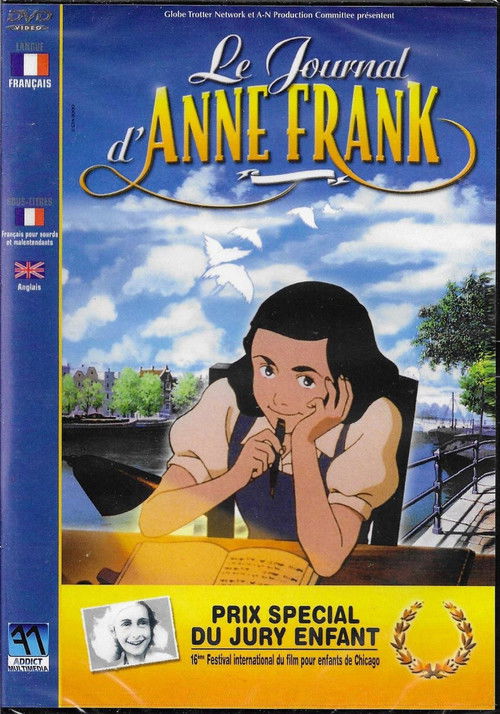
Anne Frank's Diary
2000
No user ratings available yet
Representation score: 3.7 out of 10
Representation Score
Fair
1995
TV-14Director
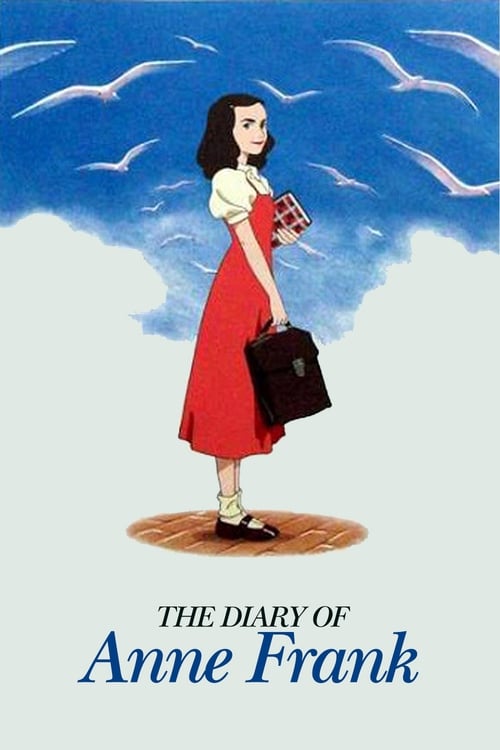
Akinori Nagaoka
Runtime
102 minutes
Average Rating
No ratings yetNew Showbiz Analysis
The film succeeds by centering a female perspective within a historical landscape of systemic oppression. By focusing on Anne Frank's internal life, the narrative provides a necessary counter-perspective to traditional, male-dominated war stories. However, the film lacks modern identity markers, specifically regarding LGBTQ+ representation. The focus remains strictly on the historical and religious persecution of the Jewish community during World War II. Ultimately, the work functions as a powerful critique of institutional authority and state-sanctioned violence, even if it does not explore a broad spectrum of contemporary social identities.
Category Breakdown
The film focuses on the historical reality of the Frank family during the Holocaust. There is no explicit evidence of non-straight relationships or queer undertones within this historical framework.
The story centers on Anne Frank, whose intellectual contributions drive the emotional core. By prioritizing a young woman's perspective, the film challenges traditional male-centric war narratives.
The narrative depicts the Jewish experience under Nazi occupation, addressing ethnic and religious persecution. It serves as a study of minority identity facing systemic erasure.
The film critiques oppressive state institutions and corrupt nationalism. It prioritizes the subjective truth of the individual over the official, destructive narratives of the state.
There is no evidence regarding the portrayal of physical or neurodivergent disabilities in this work.
Present on Screen
Limited or Absent
Official Synopsis
During World War II, a teenage Jewish girl named Anne Frank and her family are forced into hiding in the Nazi-occupied Netherlands.
2000

1959
1980

2021
1988

2014

2016

2018
No reviews yet. Be the first to share your thoughts on this movie!
Use the rating form above to leave a star rating and optional review.