
Runoff
2015
No user ratings available yet
Representation score: 4.9 out of 10
Representation Score
Limited
2015
Not RatedDirector
Michael Beach Nichols, Christopher K. Walker
Runtime
85 minutes
Average Rating
No ratings yetNew Showbiz Analysis
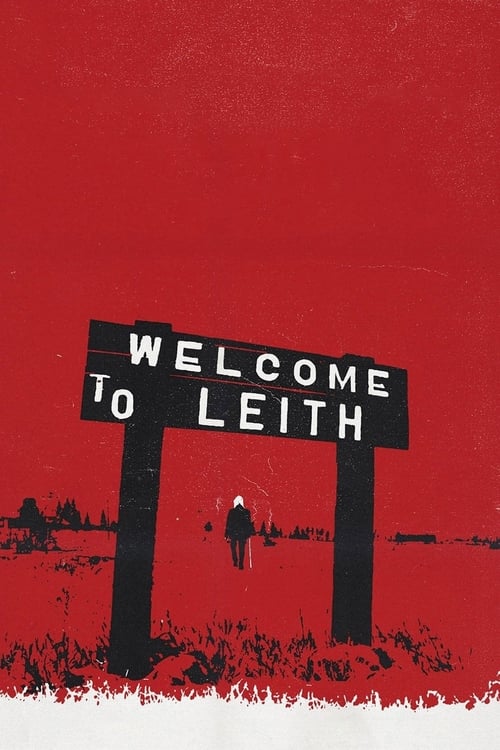
Welcome to Leith explores social friction and the breakdown of peace in a small town. It introduces an outside force that causes instability, disrupting the usual calmness of a rural community. The film does not specifically highlight overlapping aspects of identity or actively challenge traditional social structures. Instead, it observes the natural dynamics of a community facing external threats. Overall, the film provides a realistic view of social cohesion and its fragility in a rural setting.
Category Breakdown
The film does not include explicit stories about LGBTQ+ characters. Instead, it focuses on the social tensions within a small community.
The story centers around community tension and survival. It does not challenge traditional gender roles or explore the breakdown of masculinity.
The film is set in a small North Dakota prairie town and does not show any diversity in its cast. It reflects the homogeneity of its rural setting.
The story looks at how social contracts break down and how communities deal with instability. It focuses on the balance between individual actions and collective well-being.
There is no indication of characters with physical or neurodivergent disabilities in the film.
Present on Screen
Limited or Absent
Official Synopsis
In September 2012, the tiny prairie town of Leith, North Dakota, sees its population of 24 grow by one. As the new resident's behavior becomes more threatening, tensions soar, and the residents desperately look for ways to expel their unwanted neighbor.
2015
2014
2023

2015

2015

2018

2017
2015
No reviews yet. Be the first to share your thoughts on this movie!
Use the rating form above to leave a star rating and optional review.