The Funny Blokes of British Comedy
2005
No user ratings available yet
Representation score: 3.8 out of 10
Representation Score
Good
1982
Director
Jan Ravens, John Kilby
Runtime
50 minutes
Average Rating
No ratings yetNew Showbiz Analysis
The revue format allows for sharp intellectual subversion and the mocking of social hierarchies. By breaking down the 'establishment,' the work offers a progressive critique of traditional British institutions and gendered stereotypes. However, the production is limited by the era's demographic homogeneity. The cast lacks significant racial or ethnic diversity, and the sketch-based structure prevents deep, layered character development. Ultimately, while the comedy is effective at social satire, it relies on broad caricatures and lacks the narrative depth needed for nuanced representation of disability or LGBTQ identity.
Category Breakdown
The production uses camp aesthetics and gender-bending performances to mock social rigidity. Non-straight relationships and identities disrupt conventional norms, but the sketches lack sustained storylines, limiting depth.
Female performers like Emma Thompson take part in challenging traditional gender roles. The sketches often mock gendered stereotypes, though they sometimes rely on broad caricatures.
The cast reflects the demographic homogeneity of early 1980s British university comedy. Predominantly Anglo-Saxon, the sketches focus on Western-centric social satire.
The comedy excels at critiquing established British class structures and authority figures. It uses irony to make the traditional establishment an object of ridicule.
Characters with disabilities have limited influence within the sketch format. Portrayals of eccentricity often serve as comedic devices rather than nuanced explorations of lived experience.
Present on Screen
Limited or Absent
Official Synopsis
A TV version of the Cambridge Footlights Revue. Starring Stephen Fry, Hugh Laurie, Emma Thompson, Tony Slattery, Paul Shearer, and Penny Dwyer.
2005
1978
2001
1971
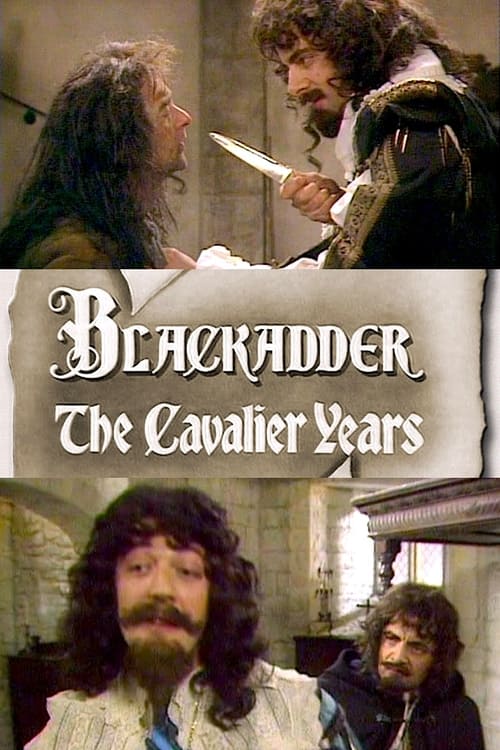
1988
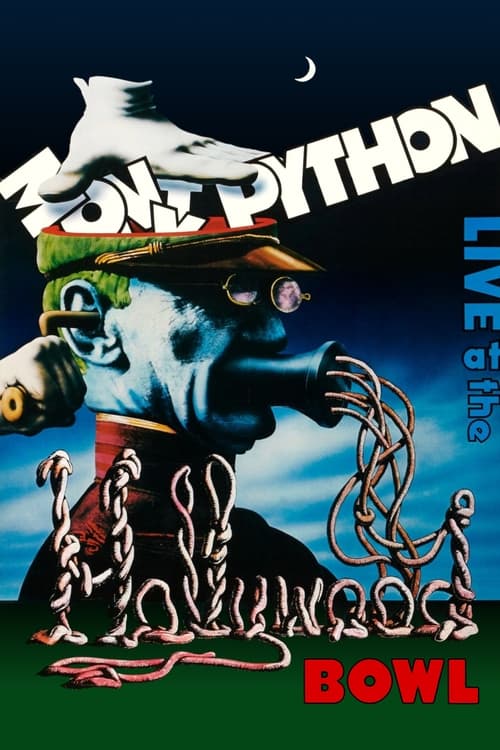
1982
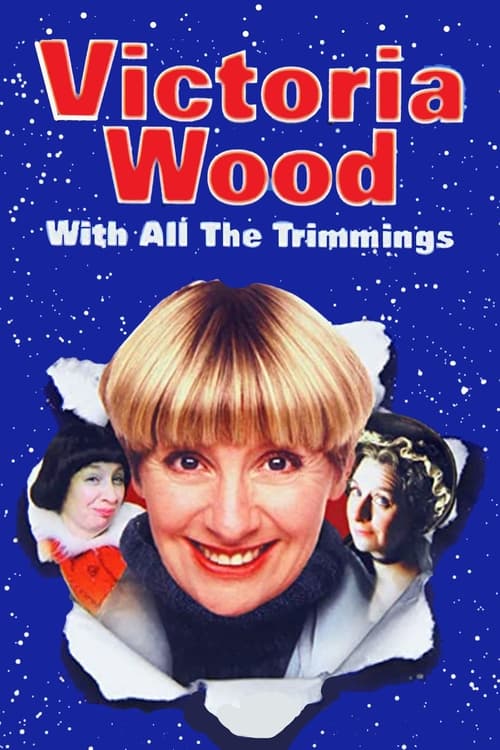
2000
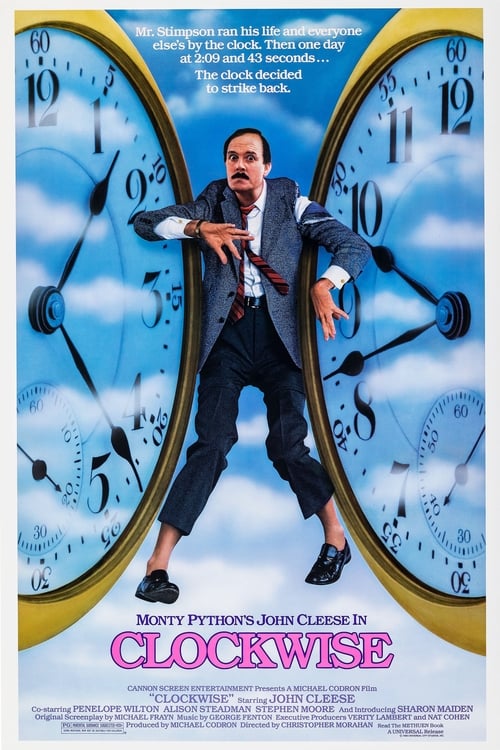
1986
No reviews yet. Be the first to share your thoughts on this movie!
Use the rating form above to leave a star rating and optional review.