Disconnect
2010
No user ratings available yet
Representation score: 1.9 out of 10
Representation Score
Good
2007
Not RatedDirector
Alantė Kavaitė
Runtime
87 minutes
Average Rating
No ratings yetNew Showbiz Analysis
Fissures is a character-driven mystery that finds its strength in subverting traditional power dynamics. By centering a female protagonist whose specialized technical skills and unique sensory perceptions drive the investigation, the film challenges the monopoly of authority typically held by male-dominated institutions. However, the film lacks broad demographic variety. There is no visible representation of LGBTQ+ identities or racial diversity within the provided character descriptions, which limits the narrative's multi-layered reach. Ultimately, the film succeeds by prioritizing individual, subjective perception over systemic truth, offering a unique perspective on how outsiders navigate grief and institutional inadequacy.
Category Breakdown
The film does not include explicit representations of LGBTQ+ identities or same-sex intimacy. However, themes of alienation and isolation may resonate with those who feel like outsiders.
Charlotte plays a significant role in driving the story, challenging the authority of male-dominated police institutions. Her technical expertise as a sound engineer subverts traditional hierarchies where male investigators typically hold power.
The film's setting suggests a potentially homogeneous environment. Without specific details about an ethnically diverse cast, the primary character descriptions lack visible diversity.
The story expresses skepticism toward Western institutions like the legal system. It promotes a form of epistemological relativism, suggesting truth is found through personal sensory experience rather than official records.
Charlotte’s ability to hear the past is presented as a sensory-atypical experience. The narrative treats this heightened perception as a specialized tool for ability to act rather than a deficit to be cured.
Present on Screen
Limited or Absent
Official Synopsis
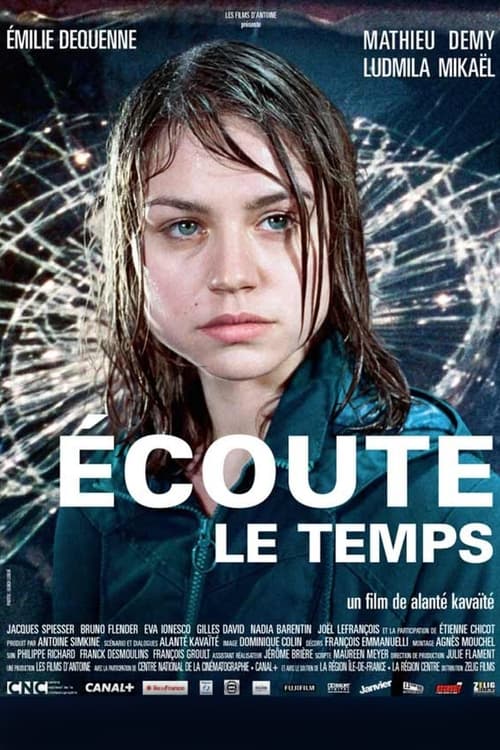
Charlotte, an alienated sound engineer, travels to the country home where her mother was just murdered. She is quickly frustrated by the lack of progress in the police investigation and so begins her own. While listening to a fresh sound recording she made in her mother's house, Charlotte discovers a strange phenomenon, she can hear sounds from the past in her headphones. Soon she is using this ability to hear the past to piece together the last few days of her mother's life, drawing ever closer to discovering who killed her, even as the murderer returns to try and eliminate Charlotte before they are discovered.
2010

2019
2011
2003

2007
2020
1994
2015
No reviews yet. Be the first to share your thoughts on this movie!
Use the rating form above to leave a star rating and optional review.