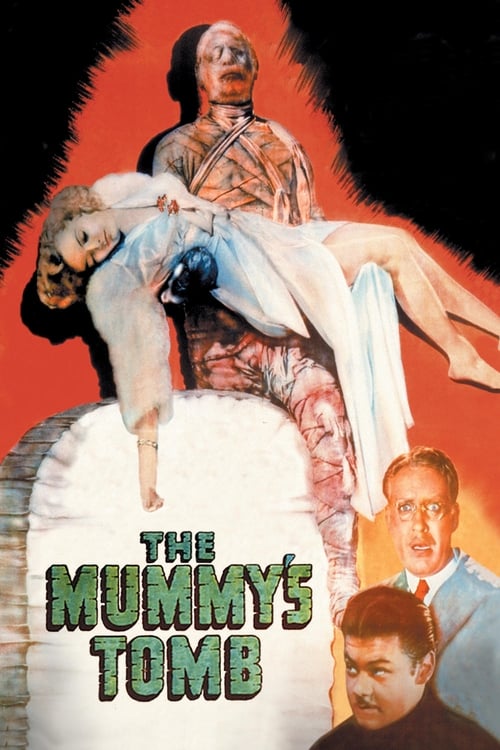
The Mummy's Tomb
1942
No user ratings available yet
Representation score: 0.9 out of 10
Representation Score
Minimal
1940
ApprovedDirector
Christy Cabanne
Runtime
67 minutes
Average Rating
No ratings yetNew Showbiz Analysis
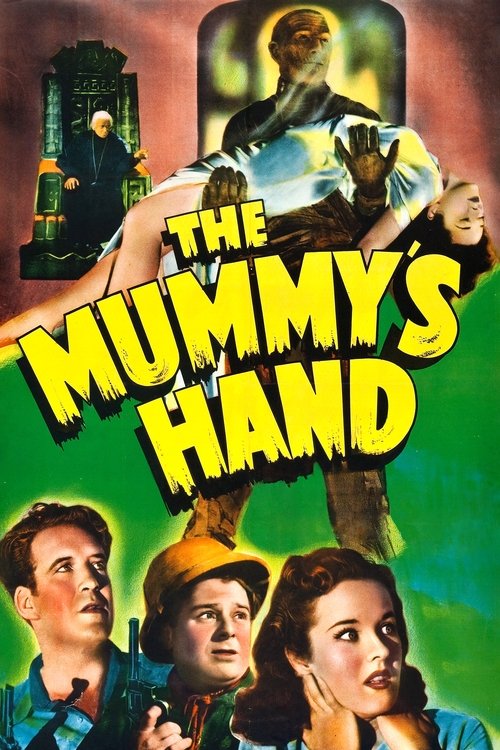
The Mummy's Hand is a classic example of early 1940s horror cinema, emphasizing genre conflict over diverse representation. It relies on established social structures and narrative clichés common to the era. The film presents a Western-centric viewpoint, portraying Egyptian culture as a threatening force against Western archaeologists. This colonialist lens lacks nuanced, self-determined ability to act for the local context. Gender roles and moral binaries are depicted through rigid frameworks, lacking any challenge to the social norms of the time.
Category Breakdown
The film does not include any LGBTQ+ characters or non-cisgender identities. It follows the traditional assumptions of the time period.
Female characters mainly serve as romantic interests or require protection. They lack significant control over their own destinies, reinforcing traditional gender roles of the 1940s.
The story focuses on a Western perspective, presenting Egyptian elements as antagonistic 'others.' This reflects a colonial-era viewpoint where local culture is seen as a threat.
The plot contrasts Western science with 'evil' occult practices, reinforcing a traditional view of the dangers of unregulated spirituality.
The film does not feature any significant portrayals of physical or neurodivergent disabilities. Characters are shown within the typical bounds of able-bodied individuals.
Present on Screen
Limited or Absent
Official Synopsis
A couple of young, out-of-work archaeologists in Egypt discover evidence of the burial place of the ancient Egyptian princess Ananka. After receiving funding from an eccentric magician and his beautiful daughter, they set out into the desert only to be terrorized by a sinister high priest and the living mummy Kharis who are the guardians of Ananka’s tomb.
1942
1932

1944
1959
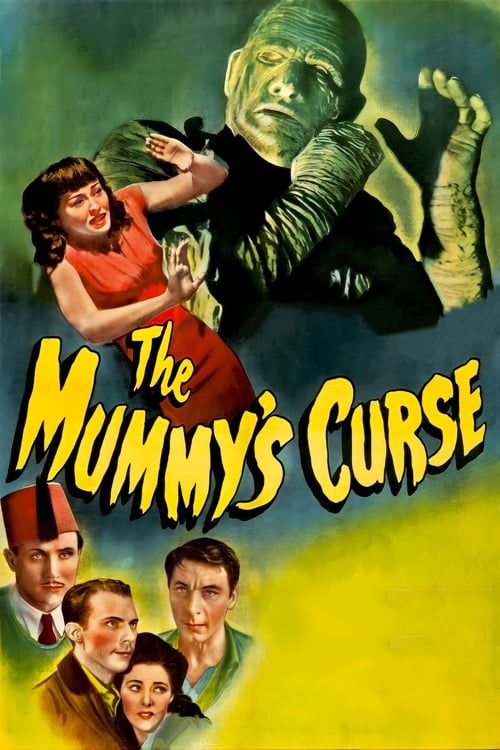
1944

2002
2023
2006
No reviews yet. Be the first to share your thoughts on this movie!
Use the rating form above to leave a star rating and optional review.