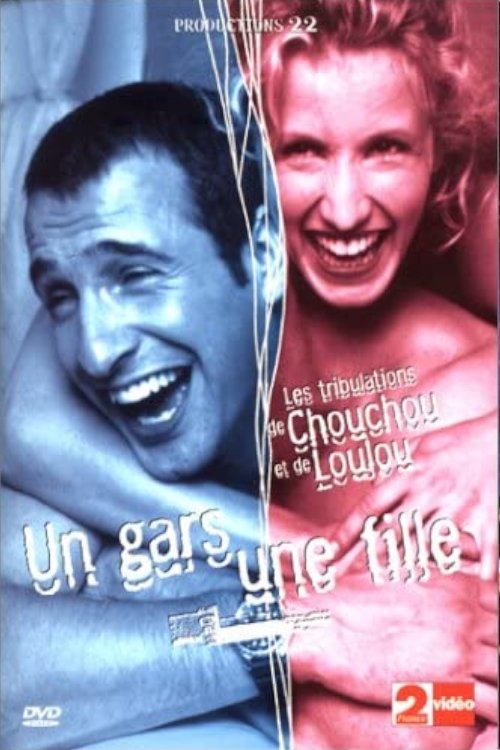
Un gars une fille - Vol.1 - Les Tribulations de Chouchou et Loulou
2001
No user ratings available yet
Representation score: 4.5 out of 10
Representation Score
Limited
1996
Director
Dominique Farrugia
Runtime
91 minutes
Average Rating
No ratings yetNew Showbiz Analysis
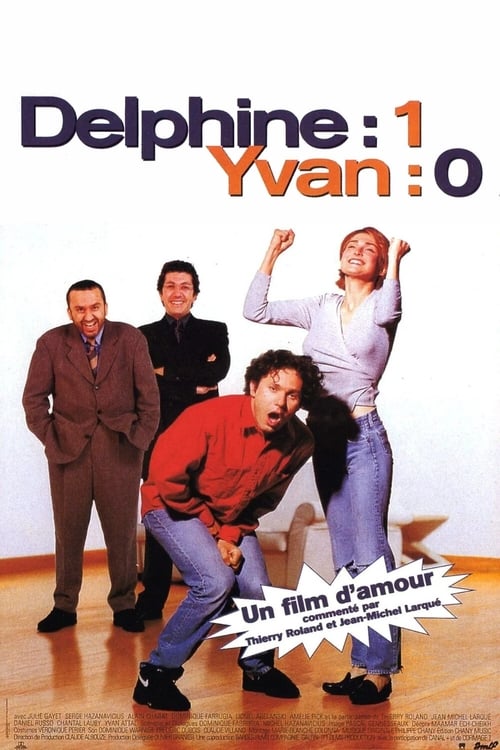
Delphine : 1, Yvan : 0 is a stylistically experimental comedy that emphasizes formalist innovation over social representation. By framing romantic milestones through the lens of a sports broadcast, it successfully disrupts traditional genre conventions. However, the film remains anchored in a conventional, mid-90s European social context. It relies on traditional romantic archetypes and a homogeneous social landscape, offering limited engagement with diverse identities. Ultimately, the work serves as a postmodern commentary on media consumption rather than a platform for social or demographic diversity.
Category Breakdown
The film centers on a heterosexual love triangle and does not include any LGBTQ+ narratives or non-binary gender identities. It adheres strictly to traditional heterosexual relationships.
Gender dynamics revolve around a competitive pursuit of a woman's affection. Although the comedic tone keeps the male rivalry from feeling overly patriarchal, the female character may be portrayed as an object of desire.
The cast is very uniform, representing a specific French middle-class community. There is no indication of diverse ethnic backgrounds or intentional color-blind casting.
The story unfolds within a secular, modern Western setting. It uses sports broadcasting as a metaphor for intimacy but does not delve into deeper cultural or institutional critiques.
The narrative does not feature any representations of physical or neurodivergent disabilities. All characters are shown within the context of able-bodied norms.
Present on Screen
Limited or Absent
Official Synopsis
C'est une histoire d'amour banale présentée comme un match de foot ordinaire. Ce sont donc Thierry Roland et Jean-Michel Larqué qui commentent, avec leurs mots (d'amour) et leurs noms (d'oiseaux), la première année de vie en couple de Delphine et Yvan, filmés pas à pas, dans leurs ébats et leurs éclats.
2001

2004
1996
2017
2011
1997
2002
2004
No reviews yet. Be the first to share your thoughts on this movie!
Use the rating form above to leave a star rating and optional review.