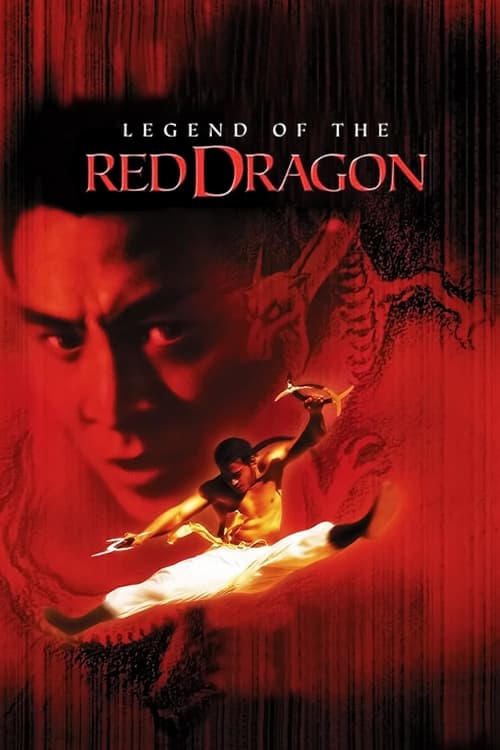
Legend of the Red Dragon
1994
No user ratings available yet
Diversity score: 3.2 out of 10

1979
Director
Chor Yuen
Runtime
105 minutes
Average Rating
No ratings yetSynopsis
After his parents are murdered, Jiang Xiao Yu is separated from his twin as a baby and taken by a family friend to Villains Valley, where he is raised to be a villain by a host of outlaws, each of whom has a special skill. When he's old enough, he devises clever means to trap each of his uncles and escape the valley to head off into the outside world. A chance encounter with a beautiful girl dressed as a man leads to a treasure hunt and eventually a confrontation with the Princess of Yi Hua Palace, the one who murdered Xiao's parents in the first place. Eventually, a reunion with his twin will occur.
Overall Score
Limited
Category Breakdown
LGBTQ+ Representation
The film follows traditional heteronormative structures common in 1970s martial arts cinema. There is no depiction of non-cisnormative identities or same-sex intimacy, focusing instead on brotherhood and conventional romance.
Gender Representation
Female characters demonstrate significant martial arts proficiency and combat agency. However, their narrative arcs remain largely tied to romantic or familial motivations within traditional power hierarchies.
Racial & Ethnic Diversity
The production maintains cultural homogeneity by featuring a Chinese cast in an ancient Chinese setting. It offers an authentic representation of its specific cultural milieu without intersectional diversity.
Religious & Cultural Diversity
The story is built upon the Jianghu code, emphasizing loyalty and personal honor. It reinforces traditionalist values rather than offering critiques of systemic oppression or institutional structures.
Disability Representation
Characters are defined by physical prowess and martial mastery. There is no evidence of characters with visible or invisible disabilities being portrayed with agency or complexity.
Strengths
Areas for Improvement
AI Analysis
Chor Yuen’s film is a quintessential wuxia piece that prioritizes genre aesthetics and historical tropes over social subversion. It functions strictly within the established cultural frameworks of its era, reinforcing classical martial arts traditions rather than deconstructing them. The narrative focuses on the tension between individual agency and the rigid codes of the martial arts underworld. While it provides an authentic cultural setting, it lacks the intersectional identities or progressive critiques found in contemporary cinema.
1994
1993
1977
1980
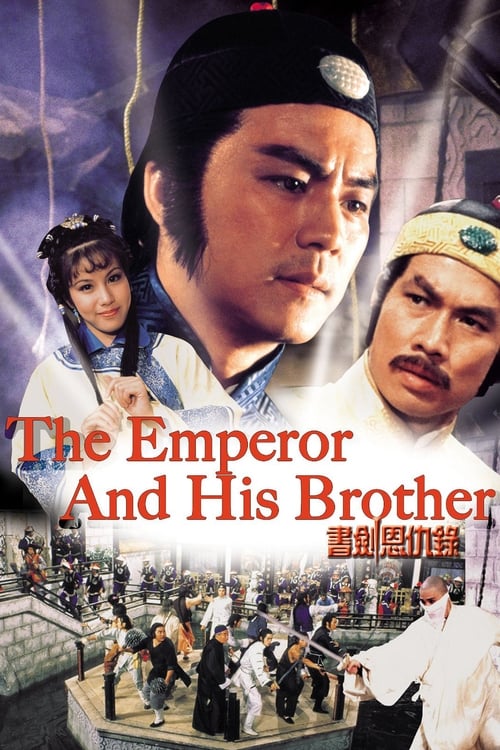
1981
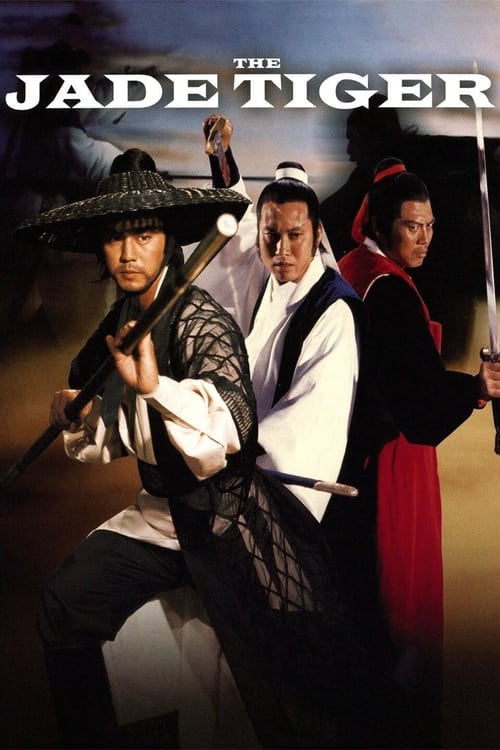
1977
No reviews yet. Be the first to share your thoughts on this movie!
Use the rating form above to leave a star rating and optional review.