I Want a Baby
1910
No user ratings available yet
Representation score: 1.8 out of 10
Representation Score
Minimal
1916
Director
Will Louis
Runtime
15 minutes
Average Rating
No ratings yetNew Showbiz Analysis
One Too Many is a product of its time, adhering to the conventional comedic structures of early silent cinema. The narrative focuses on reinforcing traditional social hierarchies rather than challenging them. The film centers on male-driven goals, particularly the protagonist's need to secure a wife and child to fulfill his uncle's expectations. This framing limits the scope of the characters to domestic milestones. Overall, the work reflects the demographic homogeneity and straight-centered expectations typical of the early 20th century, providing minimal disruption to established social norms.
Category Breakdown
The film does not include any characters with non-binary or transgender identities, nor does it depict any same-sex relationships. The plot revolves around the protagonist finding a wife, which reinforces the idea that everyone is assumed to be straight and cisgender.
Women in the film seem to exist mainly to advance the plot by fulfilling the male protagonist's familial duties. There is little indication that female characters have independent roles or influence over their lives.
The story appears to reflect the homogeneous demographics of the time, likely depicting a traditional domestic comedy without any diverse casting or non-Anglo-Saxon representation.
The narrative centers on traditional Western family milestones such as marriage and parenthood. It does not show any secularist or anti-institutional themes.
There are no characters with physical or neurodevelopmental disabilities depicted in the narrative.
Present on Screen
Limited or Absent
Official Synopsis
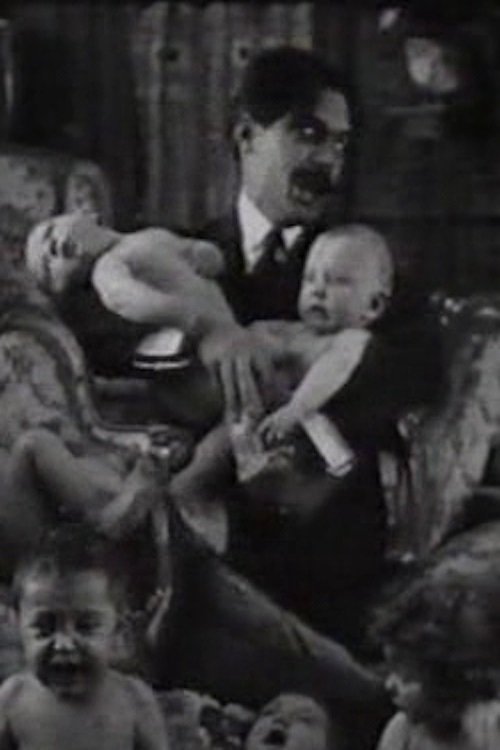
When his uncle arrives for a visit, Plump has to find a wife and baby in a hurry. With the help of his friend, Runt, soon there are wives and babies everywhere.
1910
1913
1926
1924
1904
1917
1915
1919
No reviews yet. Be the first to share your thoughts on this movie!
Use the rating form above to leave a star rating and optional review.