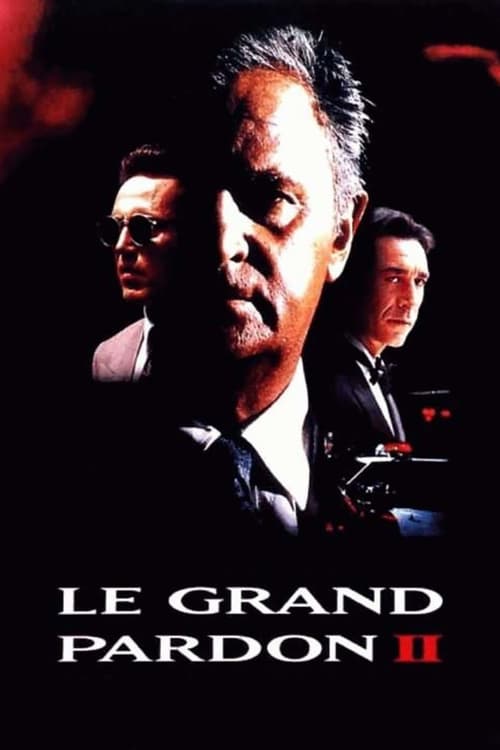
The Big Pardon 2
1992
No user ratings available yet
Diversity score: 2.6 out of 10
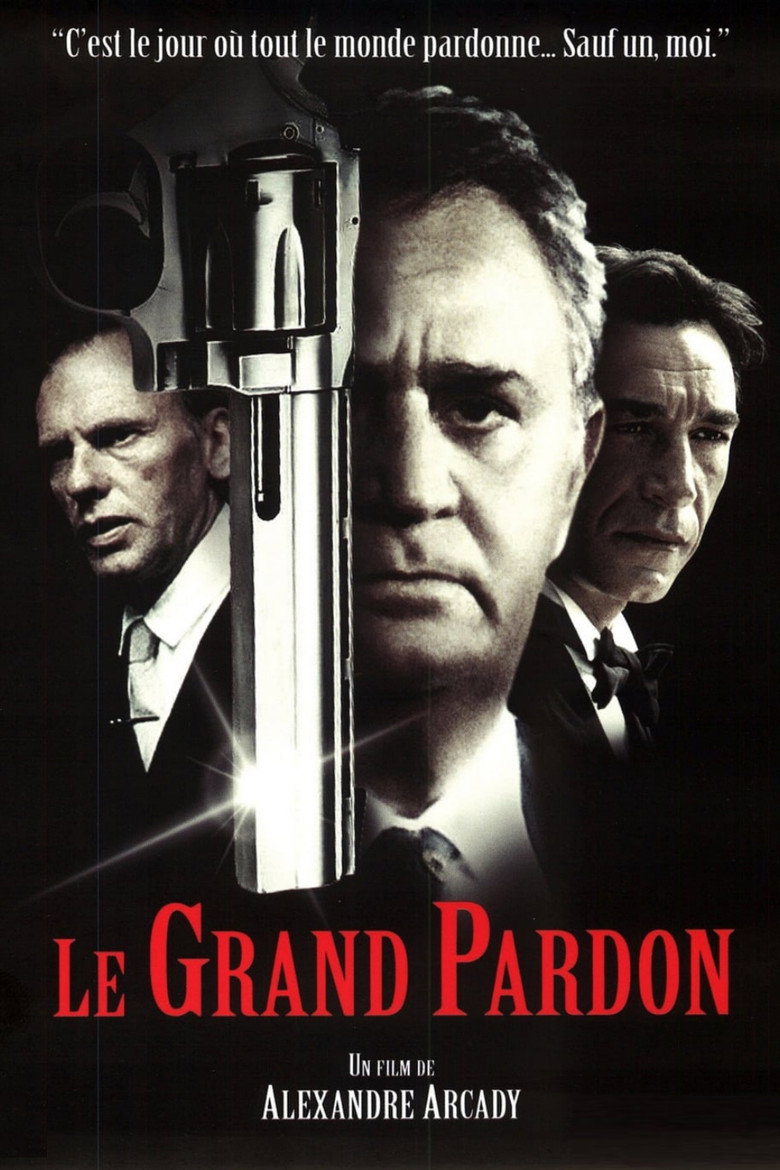
1982
Director
Alexandre Arcady
Runtime
130 minutes
Average Rating
No ratings yetSynopsis
The Bettoun clan: Raymond (the patriarch), Maurice (the son), Jacky (the nephew), Roland (the nephew), Albert (Raymond's cousin), Pépé (Raymond's friend), Samy (the bodyguard) are a family clan of Jewish Blackfoot kingpins of French organized crime. Their activities include running casinos, organizing underground boxing matches, illegal gambling, pimping, racketeering and bloody settlements of scores against other Arab and French clans. But in the shadows, Pascal Villars has sworn the loss of the Bettoun. He will succeed in setting the Arab clan against the Jewish clan, for the great benefit of the police commissioner Duché, who has been trying in vain for ten years to bring down the Bettouns.
Overall Score
Limited
Category Breakdown
LGBTQ+ Representation
The film operates within a traditional, heteronormative framework. There is no discernible presence of non-cisnormative identities or narratives addressing LGBTQ+ themes.
Gender Representation
The narrative reinforces traditional hierarchies by centering male agency and patriarchal leadership. Women are relegated to the periphery, serving as secondary figures rather than plot drivers.
Racial & Ethnic Diversity
The story disrupts cinematic norms by centering a Jewish and North African clan. This placement moves beyond tokenism to make ethnic identity the primary driver of conflict.
Religious & Cultural Diversity
The film critiques state institutions by portraying the police as manipulative forces. It prioritizes the clan's internal code of loyalty over traditional Western legal authority.
Disability Representation
There is no evidence of characters with physical or neurodivergent disabilities. The focus remains strictly on the physical prowess of the criminal protagonists.
Strengths
Areas for Improvement
AI Analysis
The Big Pardon stands out for its bold centering of Jewish and North African identities within the French crime genre. By making these ethnic groups the protagonists rather than side characters, the film offers a nuanced look at identity politics and inter-ethnic tensions. However, this ethnic agency is offset by a rigid adherence to hyper-masculine tropes. The film's world is almost entirely patriarchal, driven by male relatives and centered on violent, masculine resolutions to conflict. Ultimately, while the film challenges racial homogeneity in 1980s European cinema, it remains deeply conventional in its gender dynamics and lacks representation for LGBTQ+ or disabled characters.
No reviews yet. Be the first to share your thoughts on this movie!
Use the rating form above to leave a star rating and optional review.