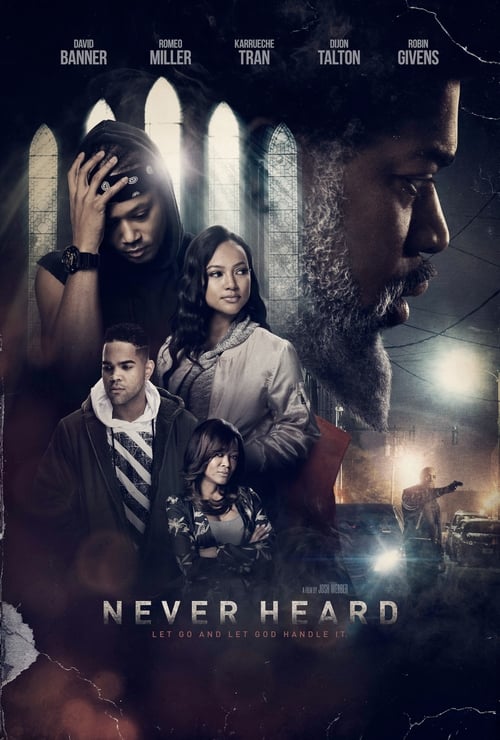
Never Heard
2018
No user ratings available yet
Representation score: 2.6 out of 10

Representation Score
Limited
2008
Director
B.J. Alexander
Runtime
85 minutes
Average Rating
No ratings yetNew Showbiz Analysis
Overcome functions primarily as a didactic tool for religious reinforcement. The narrative architecture upholds traditional institutions, such as the nuclear family and established moral hierarchies, rather than challenging them. The film lacks complexity in representing multiple aspects of identity and prioritizes a singular, faith-driven perspective. It emphasizes spiritual conformity and the preservation of social hierarchies over broader social representation. Ultimately, the production serves a niche, faith-based model where the creative intent is religious instruction rather than inclusive representation.
Category Breakdown
The film centers on a traditional redemption arc emphasizing individual morality. It does not include non-cisgender identities and does not challenge the assumption that everyone is straight.
The story revolves around a male protagonist who drives the central conflict. There is little evidence of women taking a leading role or subverting conventional gender roles.
The narrative follows a standard dramatic structure typical of faith-based cinema. It lacks indications of diverse casting or non-white protagonists.
Deeply rooted in Mormon doctrine, the film promotes a singular moral worldview. It emphasizes religious devotion and traditional Western values over secularism.
A fateful accident serves as a catalyst for spiritual epiphany. This suggests a use of physical change as a plot device rather than authentic representation of disability.
Present on Screen
Limited or Absent
Official Synopsis
In the Bible, Saul persecuted Christ's church and its followers. Overcome parallels this story. Set in modern day, a young man in high school mistreats anyone good around him, until he has a fateful accident which changes his life. Now he must make amends to all those around him, and try to become the person he knew he should have been the whole time. That’s right: Overcome (Turn Around 2007) has a twin! All they had to do was change some of the evangelical themes to Mormon themes. But also for some bizarre reason, they changed all the names of the cast members, even though they are the same people. Apparently they thought that by changing the names, you would never know this was the same movie.
2018

2003
2022

1953

2024
2010

2014
2019
No reviews yet. Be the first to share your thoughts on this movie!
Use the rating form above to leave a star rating and optional review.