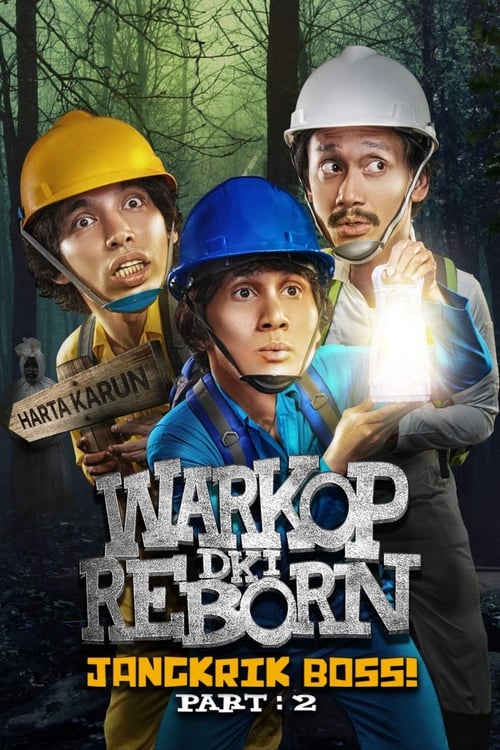
Warkop DKI Reborn: Jangkrik Boss! Part 2
2017
No user ratings available yet
Representation score: 4.2 out of 10
Representation Score
Fair
2017
NRDirector
Wang Baoqiang
Runtime
100 minutes
Average Rating
No ratings yetNew Showbiz Analysis
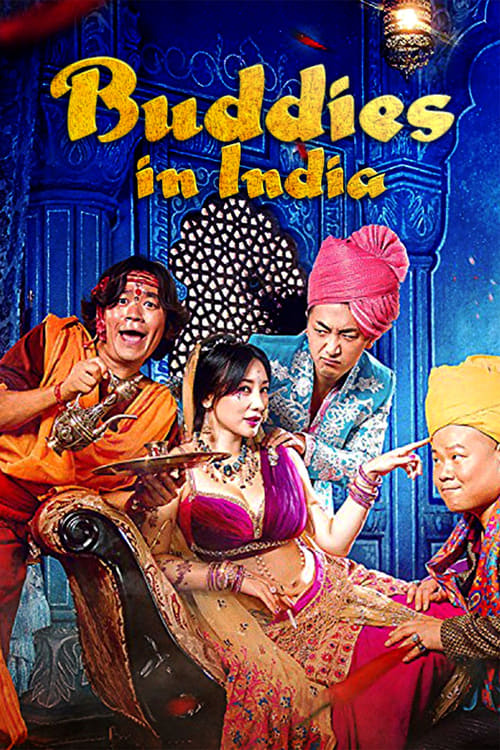
Buddies In India succeeds as a cross-cultural adventure that moves beyond localized storytelling. By placing its protagonists in a culturally distinct Indian setting, the film avoids isolationist clichés and engages with the 'other' through a magical, transformative lens. However, the film remains tied to conventional character archetypes. Gender dynamics appear traditional, and there is no explicit engagement with LGBTQ+ identities or disability representation. Ultimately, the film's strength lies in its disruption of geographic boundaries and its deconstruction of traditional familial legacies, favoring individual ability to act over strict social hierarchies.
Category Breakdown
The film does not include explicit depictions of queer identities or non-traditional relationships. The narrative centers on conventional friendships and romantic dynamics.
Liu Yan adds a female presence to a predominantly male cast. Her role in the high-stakes quest may still be framed through traditional aesthetic lenses.
The story effectively disrupts regional homogeneity by placing Chinese protagonists in an Indian setting. This cross-cultural movement challenges isolationist clichés through its adventurous setting.
The film explores a magical land with a nuanced sense of morality. It shifts focus from traditional family values toward individual ability to act and personal truth.
There is no evidence of physical or neurodivergent disability representation within the narrative.
Present on Screen
Limited or Absent
Official Synopsis
Following his father’s deathbed confession about the location of his last will and testament, Tang Sen (Bai Ke) packs up and heads to India with his friend Wu Kong (Wang Baoqiang) in search of it. Along the way, the merry duo becomes a motley crew, enlisting a loyal but quirky fighter (Yue Yunpeng) and a cagey but beautiful woman (Liu Yan), all while experiencing the mysteries of a magical land that both helps and hinders them in their quest.
2017

2007

2020

2015
2011
2018

2017
2004
No reviews yet. Be the first to share your thoughts on this movie!
Use the rating form above to leave a star rating and optional review.