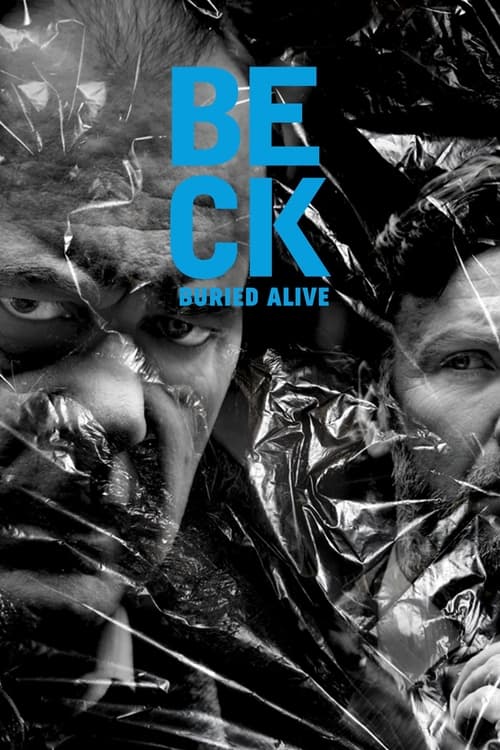
Beck 26 - Buried Alive
2010
No user ratings available yet
Representation score: 4.5 out of 10
Representation Score
Good
2016
TV-14Director
Mårten Klingberg
Runtime
90 minutes
Average Rating
No ratings yetNew Showbiz Analysis
The film functions as a social realist crime drama that prioritizes the breakdown of social order over explicit identity representation. It excels in exploring the friction between social classes and the dysfunction within institutional hierarchies, such as the police force and local neighborhood watches. While the narrative avoids idealizing Western stability, it lacks visible representation of LGBTQ+ identities and specific racial diversity. The focus remains heavily on socioeconomic status and the psychological impact of systemic dysfunction. Ultimately, the work challenges the idea of a harmonious social fabric by highlighting the complexities of underrepresented lives and the conflicts within communities.
Category Breakdown
The story centers around a criminal investigation involving drug addiction and hidden community secrets. There are no explicit mentions of LGBTQ+ characters or narratives focused on non-straight relationships.
Steinar Hovland's arrival shakes up the established police hierarchy, challenging static masculine authority. However, the main female character is portrayed as vulnerable and underrepresented as a missing victim.
The setting highlights socioeconomic diversity and class-based tensions rather than direct racial integration. The narrative focuses on secrets held across various social layers within the community.
The film questions Western institutional stability by examining systemic failures and moral ambiguity. It uses a rundown caravan park to break down traditional ideas of community cohesion and civic trust.
Themes of chemical dependency and mental health are introduced through a central character's drug addiction. It is unclear whether these struggles are explored with nuance or used primarily as a plot device.
Present on Screen
Limited or Absent
Official Synopsis
An unidentified body is found in the remains left after a fire in a trailer at a run-down caravan park. The owner of the trailer, a young drug-addicted woman, is missing, but is she really the victim? And what role has the so-called neighbourhood watch from the nearby community played? The case is difficult to solve, with everyone involved guarding their secrets, regardless of social class. Furthermore, police supervisor Klas Fredén decides to go over Martin Beck’s head and recruit charismatic, Norwegian homicide investigator, Steinar Hovland. The newly-structured Beck group faces the blight of a power struggle. And Martin struggles to find his way back to his old self.
2010

2018
2015
2016

2020

2018
2023
2021
No reviews yet. Be the first to share your thoughts on this movie!
Use the rating form above to leave a star rating and optional review.