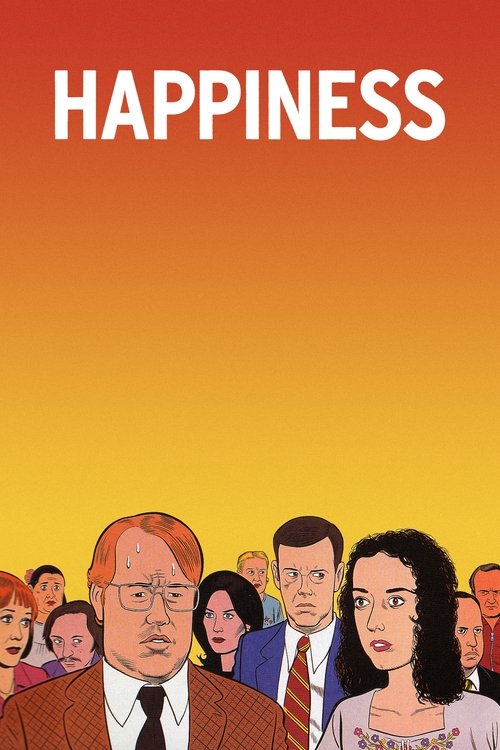
Happiness
1998
No user ratings available yet
Representation score: 8.3 out of 10
Representation Score
Excellent
2010
RDirector
Todd Solondz
Runtime
97 minutes
Average Rating
No ratings yetNew Showbiz Analysis
Todd Solondz employs a vignette-based structure to explore social alienation and the erosion of communal structures. By centering characters on the periphery of social acceptability, the film offers a bleak yet nuanced look at human connection. The film avoids prescriptive morality by treating non-assuming gender matches what was assigned at birth identities and neurodivergence as integral parts of a complex, non-idealized reality rather than mere plot devices. While the film excels in cultural and psychological depth, its approach to racial diversity is more closely tied to socioeconomic status and class-based exclusion than broad ethnic representation.
Category Breakdown
The film incorporates diverse sexualities within a backdrop of social dysfunction. It steers clear of celebratory clichés, instead depicting queer identity through themes of existential dread and social awkwardness.
Solondz challenges traditional gender roles by portraying masculinity through inadequacy and emotional volatility. Female characters play a significant role in driving the story rooted in survival rather than traditional domestic roles.
Diversity is primarily expressed through class and social exclusion. The narrative leverages the outsider status of various characters to critique systemic barriers and urban decay.
The film offers a profound critique of Western institutions and capitalism. It dismantles the traditional family unit, presenting domestic bonds as fractured or unable to provide sanctuary.
Neurodivergence and social maladaptation are central to the characters' identities. The film provides a nuanced look at individuals living outside of typical social expectations.
Present on Screen
Limited or Absent
Official Synopsis
Friends, family, and lovers struggle to find love, forgiveness, and meaning in an almost war-torn world riddled with comedy and pathos.
1998
2005
2005

2010

2013
2008

2010
1998
No reviews yet. Be the first to share your thoughts on this movie!
Use the rating form above to leave a star rating and optional review.