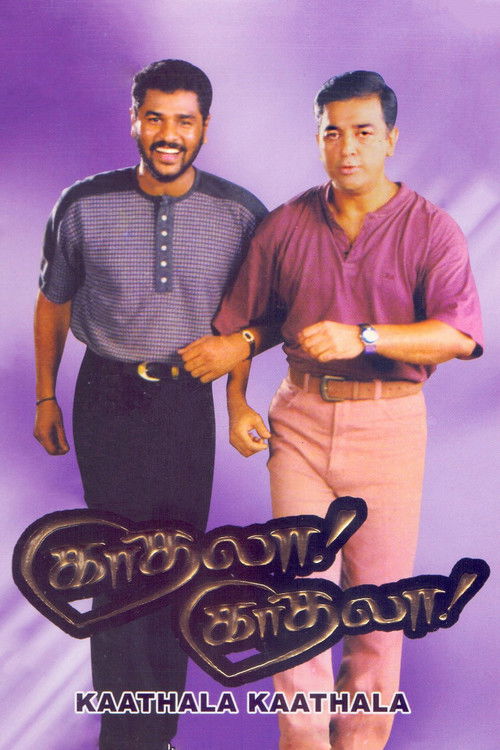
Kadhala Kadhala
1998
No user ratings available yet
Diversity score: 2.6 out of 10

1982
Not RatedDirector
Gulzar
Runtime
136 minutes
Average Rating
No ratings yetSynopsis
Two pairs of identical twins are separated following an unfortunate incident. However, years later, their lives intertwine, leading to confusion and misunderstandings. Based on William Shakespeare's 'A Comedy Of Errors'.
Overall Score
Fair
Category Breakdown
LGBTQ+ Representation
The film focuses on heteronormative marital and fraternal bonds. There is no evidence of non-cisnormative gender identities or same-sex intimacy.
Gender Representation
The narrative subverts domestic expectations by disrupting conventional social roles. Comedic friction arises when characters deviate from established gendered social standings.
Racial & Ethnic Diversity
A predominantly South Asian cast provides a culturally specific lens. The film successfully localizes Shakespearean tropes into an Indian urban context.
Religious & Cultural Diversity
The film depicts a stable, middle-class urban environment. It lacks explicit anti-institutional critiques, focusing instead on situational ethics and human error.
Disability Representation
There are no visible or invisible disabilities portrayed as central to the character arcs or the driving plot.
Strengths
Areas for Improvement
AI Analysis
Angoor is a sophisticated cultural adaptation that transposes Shakespearean structures into a localized Indian setting. Its primary achievement is reclaiming a Western literary classic for a South Asian audience, proving that global dramatic structures are not exclusive to the West. The film explores identity fluidity through the breakdown of social recognition rather than through modern identity politics. While it avoids radical social deconstruction, it uses situational irony to challenge the stability of the self within a chaotic environment. Ultimately, the film functions as a study of human error and mistaken identity. It prioritizes linguistic wit and cultural nuance over explicit political commentary or the representation of marginalized identities.
1998

2003
1990

2003
2019

2021
2008
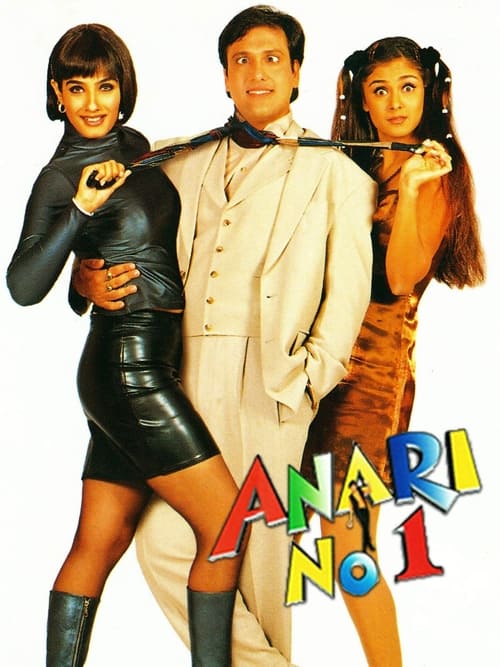
1999
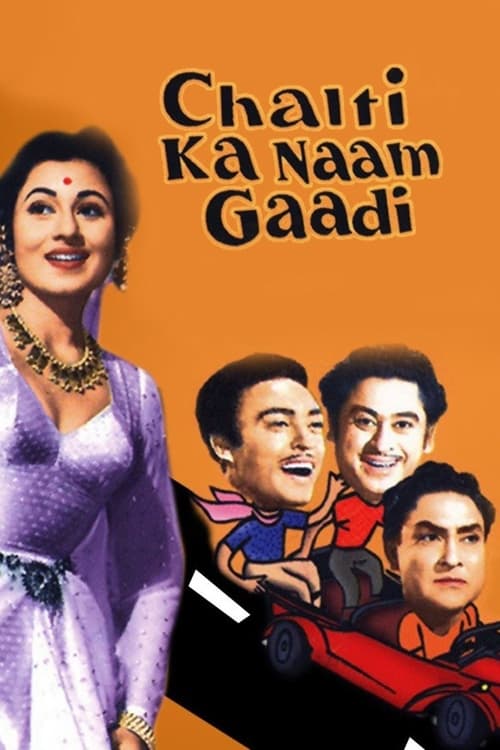
1958
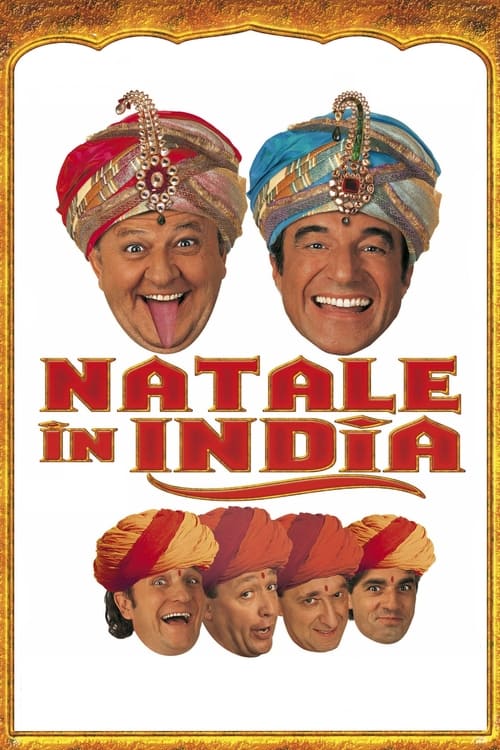
2003
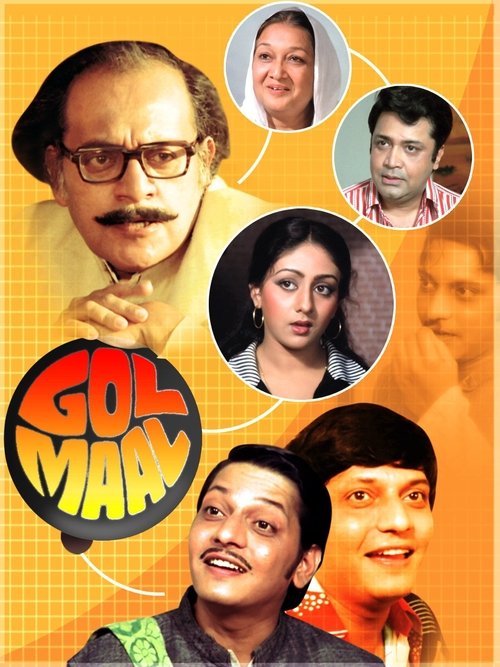
1979

1983
No reviews yet. Be the first to share your thoughts on this movie!
Use the rating form above to leave a star rating and optional review.