
My Sister's Kids In Egypt
2004
No user ratings available yet
Representation score: 4.8 out of 10
Representation Score
Fair
2002
Not RatedDirector
Tomas Villum Jensen
Runtime
84 minutes
Average Rating
No ratings yetNew Showbiz Analysis
The film functions as a traditional domestic comedy, emphasizing situational humor and established social structures. It relies on conventional character types common to early 2000s European family cinema. Narrative influence is primarily distributed through gendered clichés, where men handle logistical challenges and women navigate interpersonal or romantic dynamics. The setting remains culturally uniform, focusing on a specific Scandinavian family unit. Overall, the work does not aim to challenge systemic norms or present diverse identities. Instead, it emphasizes familial cohesion and resolving domestic mishaps within a standard Western context.
Category Breakdown
The story focuses on traditional romantic pursuits, such as Amalie's interest in the ski instructor. There are no representations of LGBTQ+ identities or non-cisgender narratives.
Men drive the plot through problem-solving, while women are often portrayed through romantic or social conflicts. Mrs. Flinth provides some influence as an antagonist.
The film depicts a homogeneous social environment typical of Scandinavian domestic comedy. There is no indication of diverse ethnic backgrounds or multi-layered casting.
The film centers on traditional Western family structures and the idea of a family holiday. It uses these established social settings for its comedic conflicts.
A broken leg serves as a plot device to shift character responsibilities. However, the injury is used as a narrative tool rather than exploring the lived experience of disability.
Present on Screen
Limited or Absent
Official Synopsis
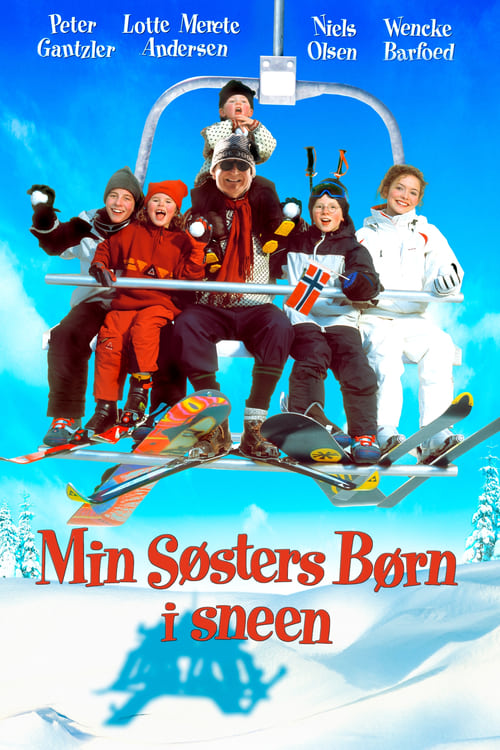
The whole family is going on a skiing holiday in Norway when Dad breaks his leg. So Uncle Erik takes the five oldest children. On the ferry, Amalie meets ski instructor Dan, and Uncle Erik gets very seasick. It turns out that Dad has rented a very small, leaky cabin, but Jan and Michael sort it out so they can move into a large suite. It turns out that it has been rented to Mrs. Flinth and her friends, and she causes a lot of trouble. The family is thrown out, but once again Jan and Michael fix the situation. They claim that Erik Lund is a famous singer. Erik is busy looking after Amalie, but when she discovers Dan's flirting with another girl, she gets the boys to help her. Meanwhile, Erik also finds time to go ice skating with Mrs. Flint.
2004

2006

2014

2014

2012

2010

2001

1993
No reviews yet. Be the first to share your thoughts on this movie!
Use the rating form above to leave a star rating and optional review.