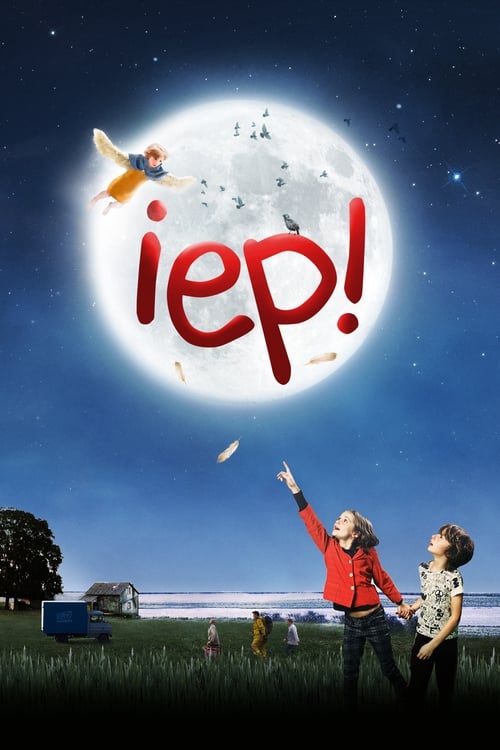
Eep!
2010
No user ratings available yet
Representation score: 7.8 out of 10
Representation Score
Limited
2015
Director
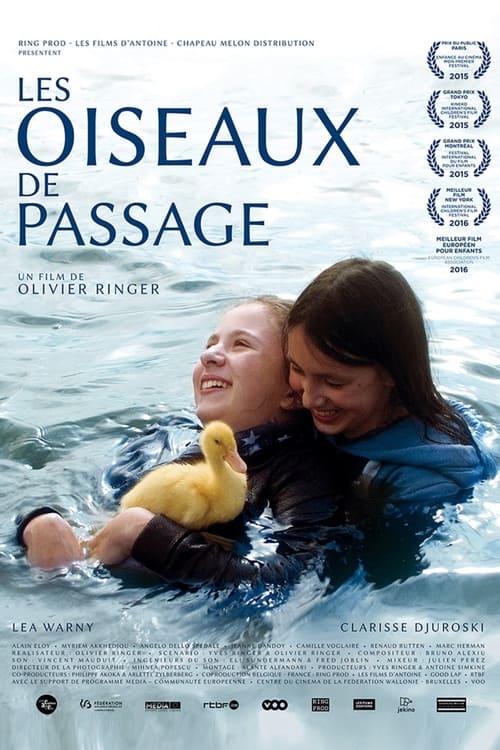
Olivier Ringer
Runtime
83 minutes
Average Rating
No ratings yetNew Showbiz Analysis
Birds of Passage is a period drama that prioritizes historical realism over modern perspectives that reflect multiple aspects of identity. It captures the social and demographic constraints of a 1950s Swiss mountain village. The film’s strength lies in its meaningful depiction of disability, treating Margot as a character with genuine ability to act rather than a mere plot device. However, the narrative remains largely traditional in its social structures, reinforcing the era's established hierarchies and homogeneous demographics.
Category Breakdown
The film does not include any LGBTQ+ characters or individuals with non-binary gender identities. The 1950s Swiss Alps setting is portrayed through a traditional lens without addressing queer identities.
The narrative follows mid-century gender hierarchies and traditional roles. While the young protagonists play significant roles, the film does not challenge masculine authority or domestic norms.
The cast is primarily made up of similar types of people, reflecting the historical context of a 1950s Swiss mountain village. The film does not use diverse ethnic backgrounds to challenge the norms of the time.
The story explores the tension between community traditions and modernity within a Western, likely Christian, context. It examines moral relativism through localized family codes of honor.
Margot, a character in a wheelchair, is central to the emotional arc. The film avoids 'inspiration porn' clichés, focusing instead on her ability to act and the reality of specialized care.
Present on Screen
Limited or Absent
Official Synopsis
Cathy’s birthday’s on 29th February, which is an impossible day as it is, because it’s a leap day. Then her dad comes up with the bright idea of giving her a duck egg to hatch for her tenth birthday. The chick appears when Cathy and her best friend Margot are watching, and the chick thinks Margot is its mummy. But Margot is bound to a wheelchair and will soon have to go to a special home. Unable to look after the duckling on her own, her parents decide to ged rid of it... Cathy and Margot end up in an adventure which teaches them a lot about how to rescue a migratory bird, but even more about themselves.
2010
2019
2017
2015
2018
2007
2010
1996
No reviews yet. Be the first to share your thoughts on this movie!
Use the rating form above to leave a star rating and optional review.