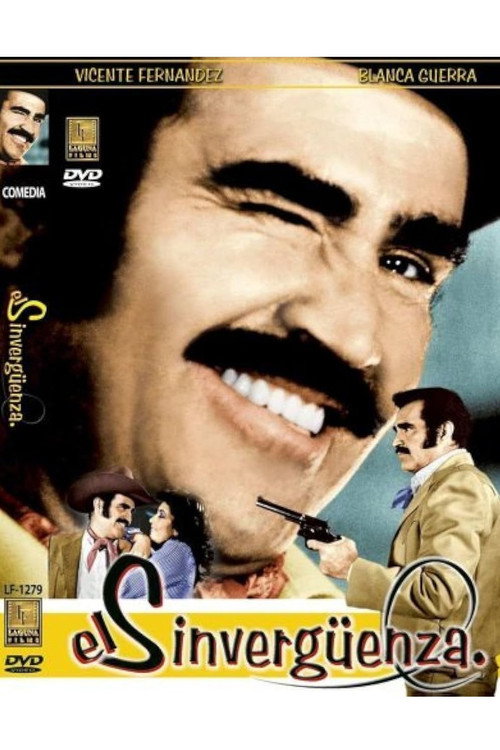
El Sinvergüenza
1983
No user ratings available yet
Representation score: 3.2 out of 10
Representation Score
Limited
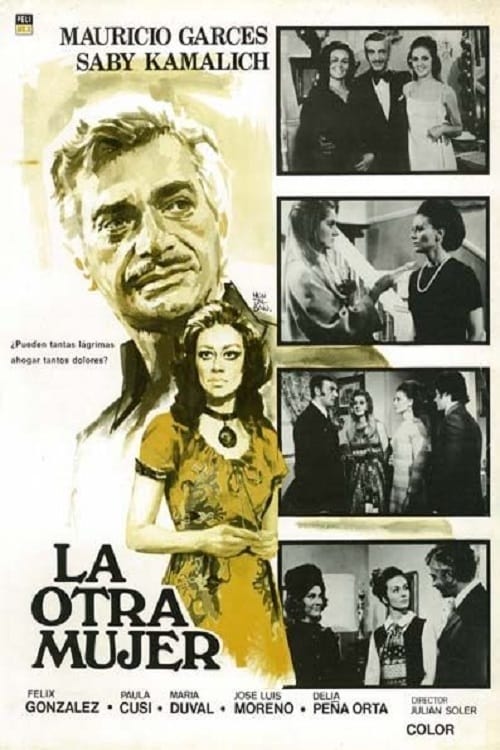
1972
TV-PGDirector
Julián Soler
Runtime
95 minutes
Average Rating
No ratings yetNew Showbiz Analysis
La otra mujer is a product of its era, adhering to the conventional social mores and traditional narrative structures of mid-20th-century Mexican cinema. The story revolves around a businessman's attempt to manage his personal life through a hired stand-in, reinforcing patriarchal hierarchies. The film lacks intentionality in disrupting social norms or providing diverse representation. Instead, it focuses on preserving social appearances and the complexities of male-dominated social standing within a homogeneous environment.
Category Breakdown
The film centers on a relationship between a businessman and his mistress, which aligns with traditional romantic frameworks. There are no visible LGBTQ+ characters or narratives that challenge these norms.
The plot architecture prioritizes men's control over the story and patriarchal structures. Female characters primarily serve as catalysts for male-driven plot points rather than having independent roles.
The production likely features a predominantly Mestizo cast typical of 1972 Mexico. The film presents a homogeneous social environment without intentional efforts to challenge historical racial hierarchies.
The narrative focuses on traditional social complications regarding infidelity and family legitimacy. It upholds conventional morality and the preservation of social status over institutional critique.
There is no information available regarding the inclusion of characters with physical or neurodivergent disabilities.
Present on Screen
Limited or Absent
Official Synopsis
Businessman hires a stand-in to pass as the father of his mistress' children.
1983
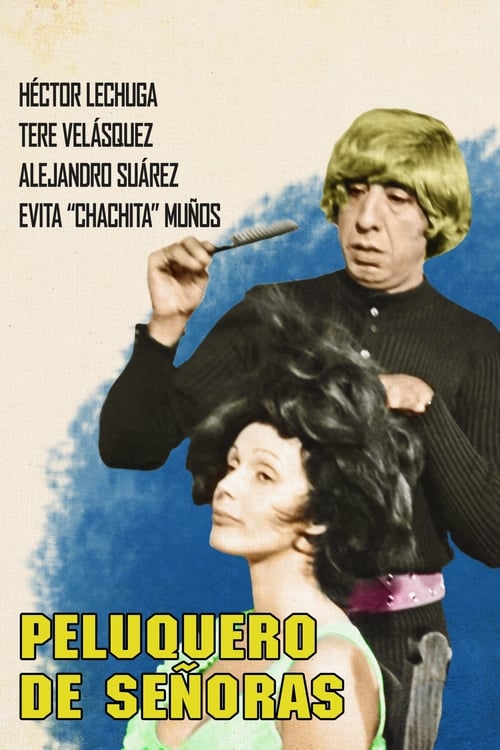
1973
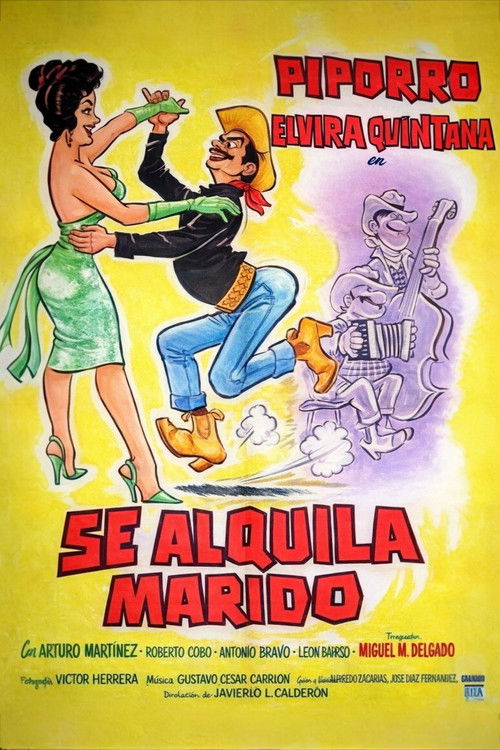
1961
1963

1956
1969
1972
1955
No reviews yet. Be the first to share your thoughts on this movie!
Use the rating form above to leave a star rating and optional review.